health
Fruit Is Too Sweet
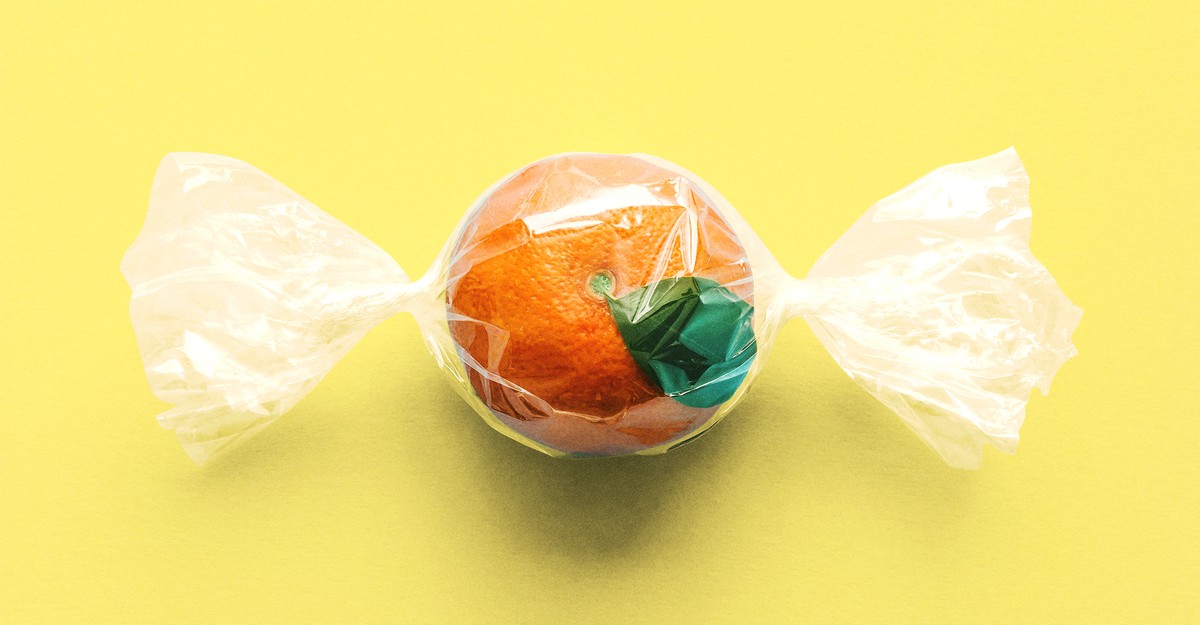
If it is possible, in this fascinating age, to be a celebrity fruit, the Sumo Citrus is definitely a celebrity fruit. The mandarin-satsuma-orange hybrid, originally developed in Japan and brought to American grocery stores in 2011, is by far the most popular new member of the citrus family, accounting for almost a third of the entire sector’s recent growth. This winter, like the winter before, my local Trader Joe’s displayed piles of them in prime position, and many times the store would be half sold-out before sunset. Sumos are discovered anew every season on social media, where people talk about their adorable bumpy heads, their generous size, and—oh!—their sweetness.
TL;DR
- Sumo Citrus, a hybrid fruit, has become incredibly popular due to its intense sweetness, driving significant growth in the citrus sector.
- Many fruits now available in grocery stores, including berries, grapes, and pineapples, are bred to be exceptionally sweet, often outperforming traditional varieties in sugar content.
- Selective breeding and scientific advancements have led to fruits with higher sugar levels and less acidity or bitterness, catering to consumer preference for sweetness.
- This focus on sweetness may be at the expense of complex flavors and natural characteristics, with some consumers and chefs preferring more balanced or tart fruit profiles.
- The fruit industry has shifted from natural variability to producing consistent, commercially viable, and highly sweet products, sometimes at the cost of traditional fruit complexity.