politics
March 29, 2026
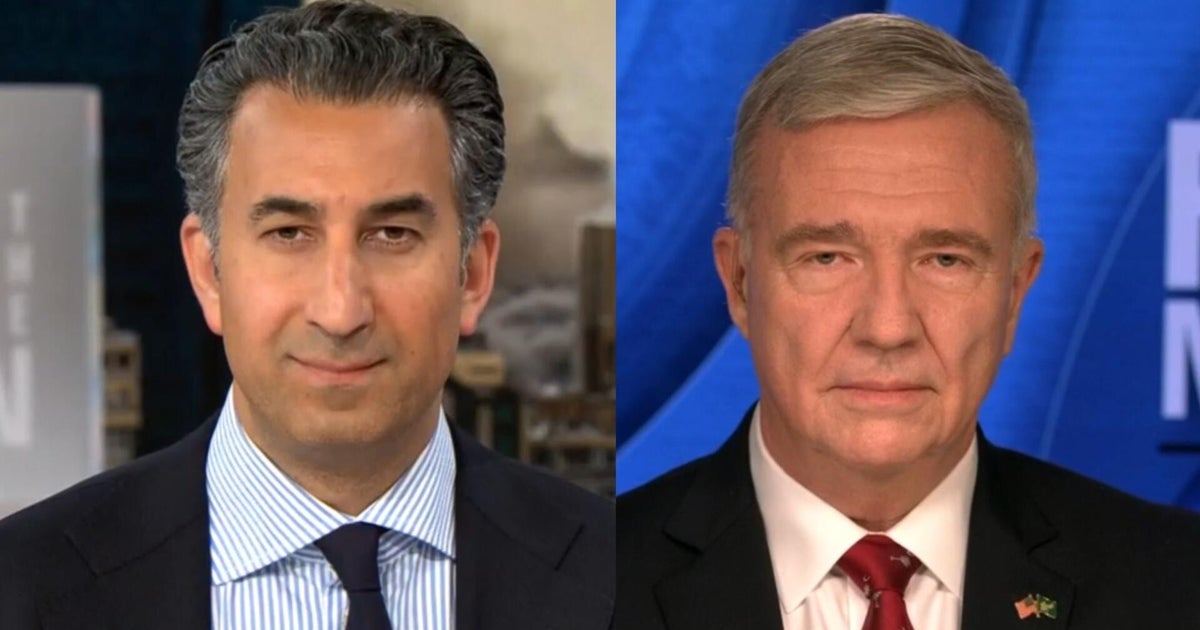
Karim Sadjapour, Ret. Gen. Frank McKenzie on "Face the Nation with Margaret Brennan," March 29, 2026
Updated on: March 29, 2026 / 12:05 PM EDT / CBS News
TL;DR
- Mediating nations have gathered to discuss de-escalating the war in Iran, but Iran has not responded to U.S. proposals.
- Iran feels it is in a war of survival and revenge against President Trump, making compromise unlikely.
- The Houthis have entered the conflict by firing on Israel, but this is not seen as a game-changer, though it could slow Red Sea traffic.
- The U.S. military has a multi-year plan to ensure the Strait of Hormuz remains open, including reducing Iranian missile and drone capabilities.
- The military has simulated various scenarios, including seizing Iranian islands to control the Strait of Hormuz and cripple its oil economy.
- Experts disagree on Iran's willingness to negotiate, with one suggesting they are unbreakable due to their ideology and the other believing they will eventually compromise under pressure.
- Potential outcomes include a ceasefire that opens the Strait of Hormuz, shifting the conflict to a cold war, or a negotiated settlement involving missiles and potentially the nuclear program.
- The U.S. is preparing for a sustained military presence in the region, possibly involving escorts for tankers and ground troop options.
- Iran may wish to negotiate with Vice President Vance, seeing him as potentially more inclined towards a swift resolution to the war.
Continue reading the original article