health
From early birds to emerging butterflies: UK shows signs of earliest spring on record
Citizen science data reveals early flowering, nesting and insect activity as global heating accelerate seasonal change
TL;DR
- Spring events in Britain, such as flowering, bird nesting, and insect emergence, are occurring earlier than any previous records.
- Nature's Calendar, a citizen science project, has logged the earliest occurrences for numerous seasonal changes since 2000.
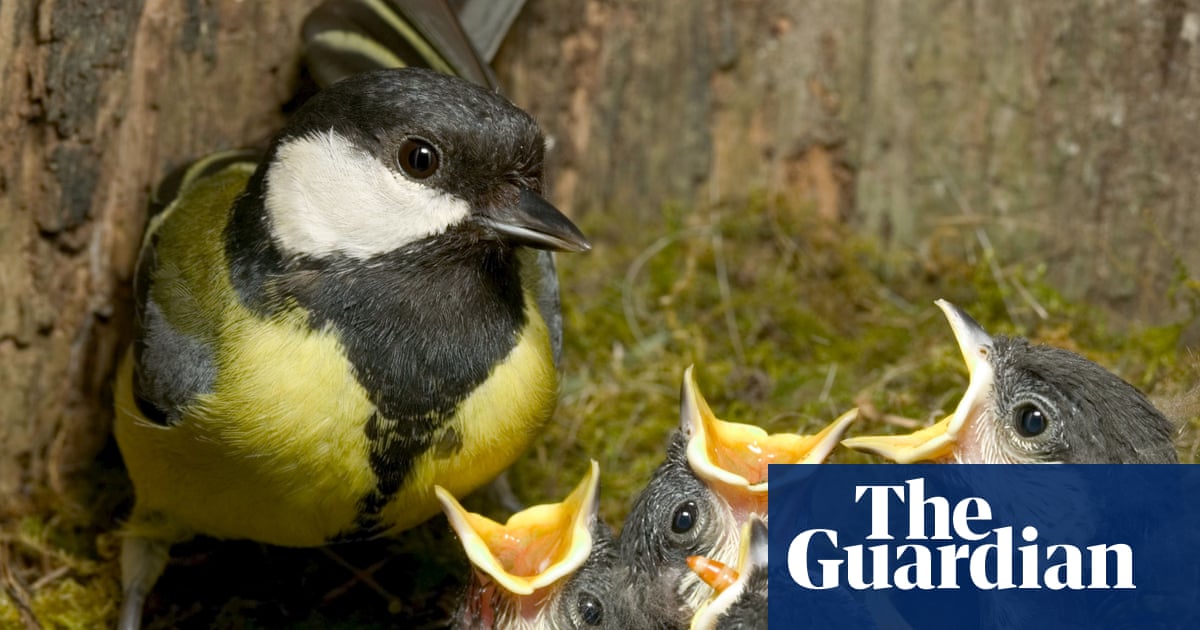
- Great tits in Wytham Woods, Oxfordshire, laid eggs on 23 March, the earliest in an 80-year study, and their average egg-laying has advanced by 16 days since the 1960s.
- Record-breaking early egg-laying in coal tits has also been observed in Dunsford Woods, Devon, and in the Netherlands.
- Caterpillars of midsummer butterflies are also advanced, with some predicting midsummer butterflies could emerge in May.
- The early spring is linked to a relatively warm winter, a wet January, and Britain's 10th warmest March on record.
- While global heating poses risks, some species, like the earlier-laying tits, suggest adaptation to changing seasonal cues.
- The Met Office notes that cold spells in March are typical and nature is generally well-equipped to handle them.
- Some species, like the willow warbler, are declining due to climate change, while others, like chiffchaffs, are overwintering in the UK in greater numbers and singing earlier.
- Naturalists and scientists express excitement about the vibrant displays of early spring flowers and the current state of nature, despite climate change concerns.