health
March 9, 2026
'We want to give them their names back': the team identifying Europe’s forgotten female murder victims
Interpol’s DNA unit is helping bring closure to families of murder victims, whose names may be unknown for decades
TL;DR
- Interpol's "Operation Identify Me" aims to identify dozens of murdered or suspiciously deceased women across Europe whose cases have been cold for years.
- The operation was launched after Dutch police noticed a pattern of unidentified deceased women in their cold cases, suspecting human trafficking or victims with families in other countries.
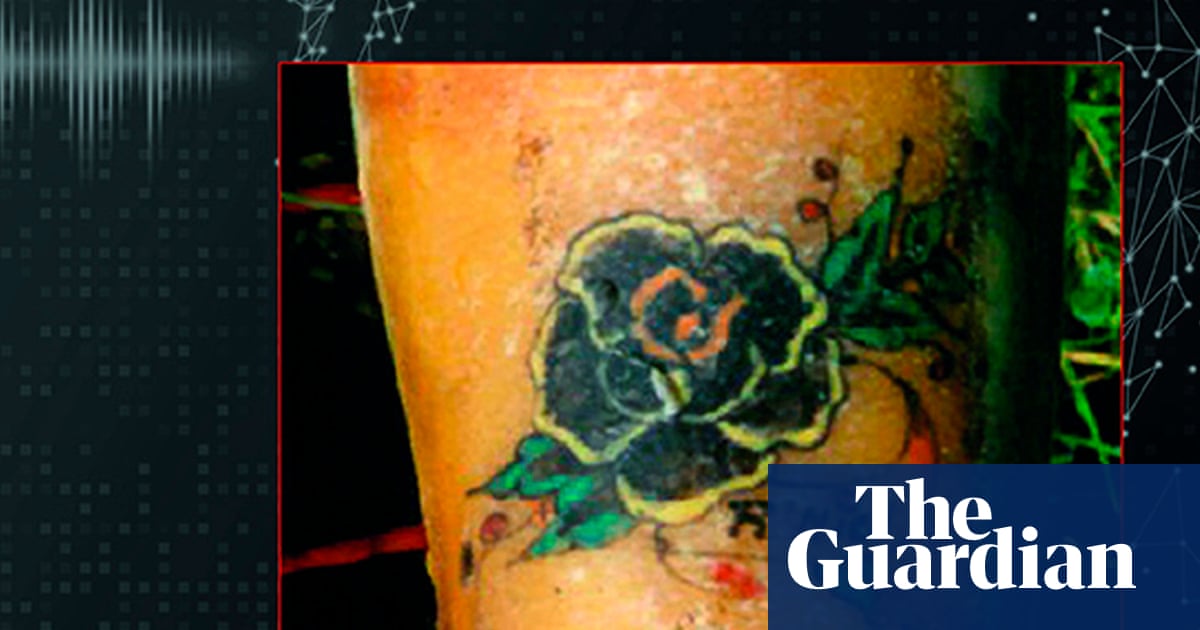
- Rita Roberts' case, unidentified for nearly three decades until her family recognized her tattoo from the Interpol appeal, exemplifies the success of the operation.
- The lack of victim identity significantly hinders murder investigations, and thousands of unidentified bodies are discovered annually in Europe.
- Challenges in cross-border data sharing and systematic policies hinder systematic identification efforts, frustrating investigators like Susan Hitchin from Interpol.
- Vulnerable populations, including migrants and those detached from family or society, are more susceptible to dying anonymously.
- The ultimate goal of the operation is to give victims back their names and dignity, acknowledging their value even if they were marginalized in life.
Continue reading the original article