It has the highest levels of toxic Pfas in drinking water in Scotland. But how did this remote island become awash with forever chemicals?
Scientists believe they may now have found the cause of Fair Isle’s pollution – and warn that it should be ringing alarm bells in other coastal areas
TL;DR
- Fair Isle has recorded higher levels of toxic Pfas in its drinking water than any other public drinking water source in Scotland.
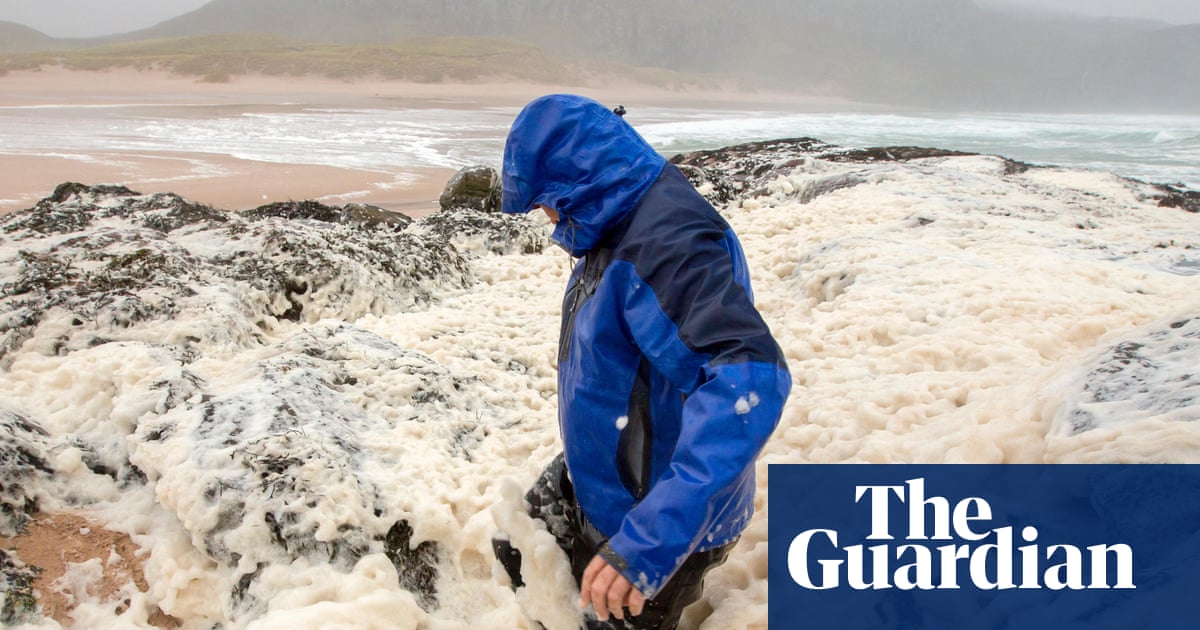
- Scientists hypothesize that the Pfas are transported to the island via seaspray and seafoam from distant sources, rather than local industrial pollution.
- Pfas are surface-active chemicals that can be collected and transported by air bubbles and spray over long distances.
- While Scotland's public drinking water remains below official Pfas thresholds, the Fair Isle data is seen as an alarming indicator of global pollution and monitoring system limitations.
- Other remote areas in Scotland, Denmark, and even Antarctica have shown evidence of Pfas accumulation from similar sources.
- Residents have expressed concern, with some filtering their water and advocating for more comprehensive testing and monitoring by authorities.
- Current UK monitoring systems do not systematically measure airborne Pfas, a gap scientists hope will be addressed.