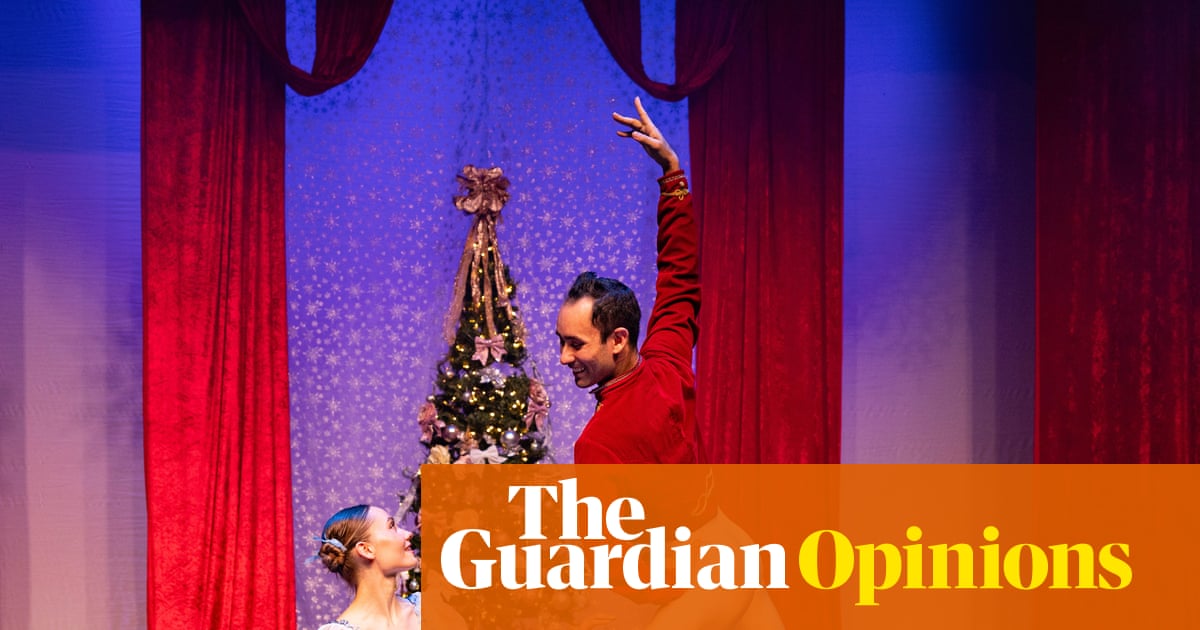
It’s Nutcracker season for the lucky few – but why isn’t dance part of every child’s life?
After years of cuts to arts funding, there are signs that the government is serious about boosting creative subjects in schools. It can’t happen soon enough
TL;DR
- Children naturally respond to dance and movement, as seen in their engagement with performances like The Nutcracker and impromptu playground dancing.
- Cuts to arts funding and the absence of dance in many school curricula create barriers, particularly for disadvantaged pupils.
- Organizations such as Let's All Dance and The Place are actively working to make dance accessible through relaxed performances, outreach programs, and affordable tickets.
- Experiencing dance as participants, audiences, and creators positively impacts children's focus, concentration, teamwork, communication, and confidence.
- Regional initiatives in Suffolk and the north-west of England are also extending dance education to schoolchildren.
- Government funding for advanced dance training bursaries continues, though outreach grants have been cut.
- There is hope that future government policies will prioritize creative education, recognizing dance as a valuable 'creative discipline' that involves choreography and performance.