health
US curbs on travelers exposed to deadly viruses may infringe rights and deter volunteers
Strict restrictions on Americans with exposure to Ebola and hantavirus highlight officials’ previous rhetoric on public health measures
TL;DR
- The US has imposed strict restrictions on American travelers exposed to Ebola and hantavirus.
- Experts suggest these measures may violate legal rights and discourage future public health volunteers.
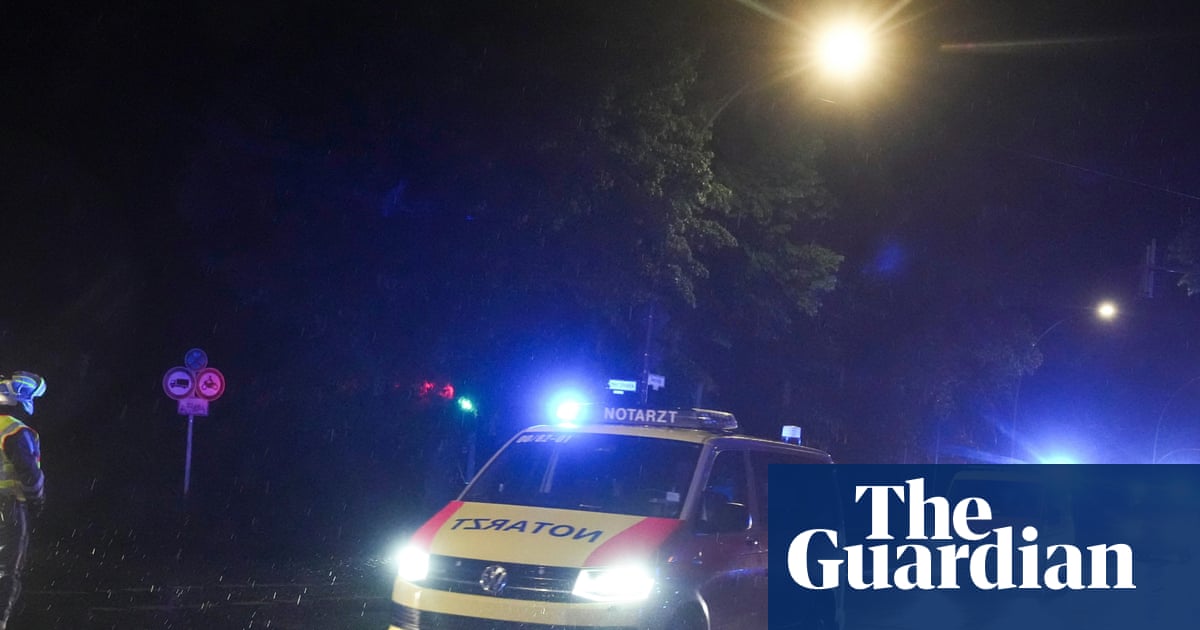
- Instead of returning to the US, an American Ebola patient is hospitalized in Germany, and other exposed individuals are being moved to Germany and the Czech Republic.
- The current policy potentially dampens the response from volunteers, which could be critical in significant outbreaks.
- Mandatory quarantine measures in Nebraska were imposed on passengers exposed to Andes virus (hantavirus), despite some passengers' requests for home quarantine.
- Legal experts state that US citizens and green card holders have a legal right to return to the United States.
- Past policies, like the 2014 Ebola outbreak, saw stricter rhetoric from officials regarding returning infected or exposed Americans.
- The decision-making process behind the current restrictions, particularly regarding White House opposition to Americans returning home, is not fully confirmed by officials.
- The potential for volunteers not being able to return home could serve as a disincentive for crucial international response efforts.
- A previous case involving nurse Kaci Hickox after the 2014 Ebola outbreak saw her nurse treated without mandatory facility quarantine, unlike current hantavirus passengers.