Logging, murder and money: can Mexico’s ancient forests be saved from the cartels?
In the Sierra Tarahumara, gangs ‘disappear’ those who resist their lucrative illegal tree-felling operations
TL;DR
- Criminal groups have intensified illegal deforestation in Mexico's Sierra Tarahumara since the mid-2010s.
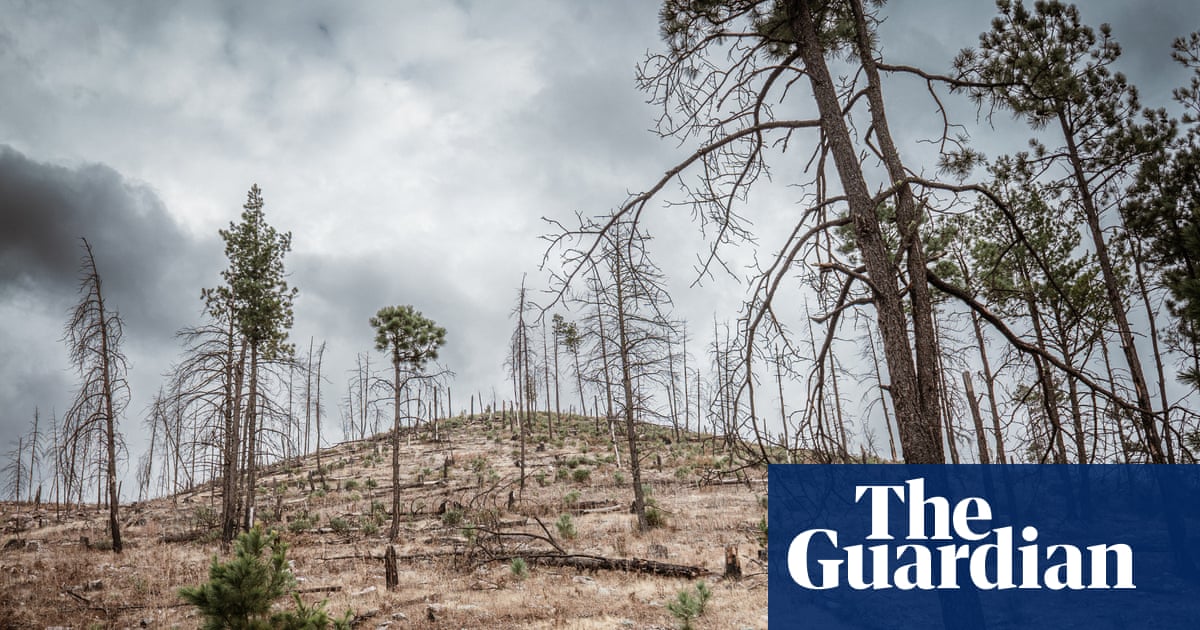
- This illegal logging has resulted in the loss of 9,000 hectares of forest since 2001 and significant disruption to the region's environment and food security.
- The industry is controlled by cartel factions and often overlaps with drug trafficking and money laundering, with an estimated annual timber value of up to $978 million.
- Residents, particularly Indigenous communities like the Rarámuri, face intimidation, extortion, murder, and forced displacement from their lands.
- There are claims of widespread impunity, with residents and organizations stating that reporting systems are ineffective and that criminal groups have informants within government agencies.
- Despite official denials of collusion, authorities like Profepa acknowledge illegal logging as a threat but cite limitations in their powers, while also planning investments in forest protection.
- Budget cuts to environmental protection agencies at a national level further exacerbate concerns.
- Displacement of local people is occurring, with gangs allegedly forcing residents out to occupy their homes.
- Children as young as 10 are reportedly being forcibly recruited by criminal groups.
- Despite the risks, some residents continue to speak out and file complaints.