politics
March 15, 2026
Chile's New President Faces Big Challenges at Home and Abroad
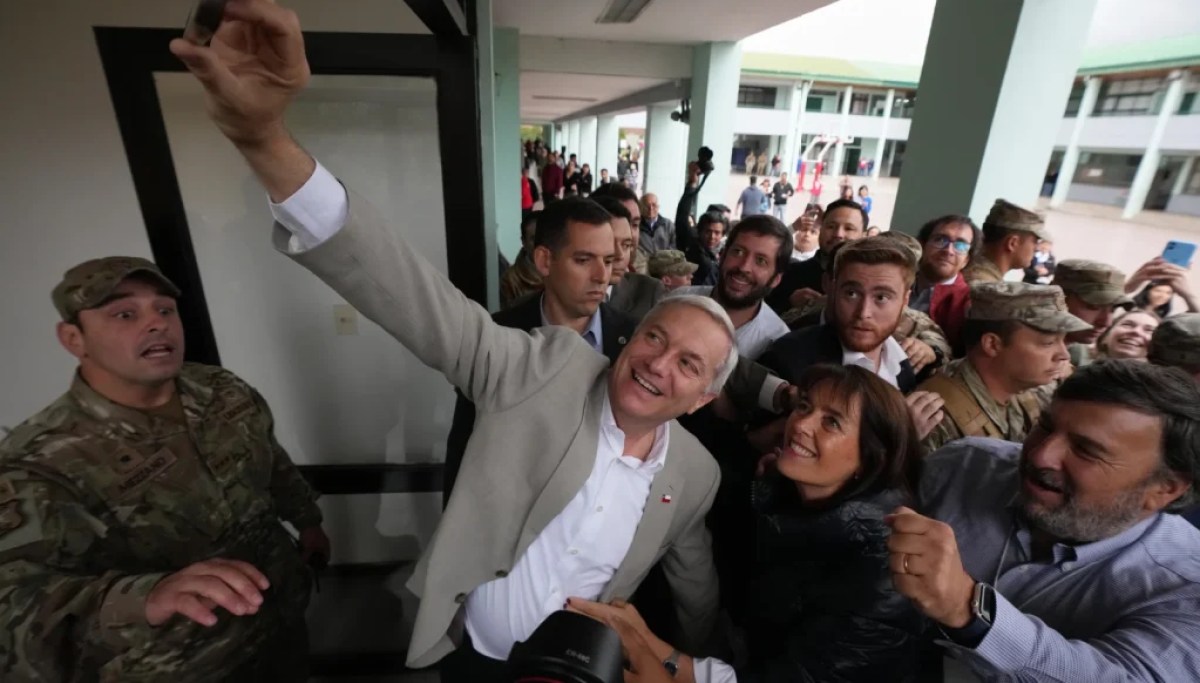
Decades after a 1973 bombing which left its walls in ruins and led President Salvador Allende to take his own life, the Palacio de La Moneda — Chile’s neoclassical presidential palace at the heart of Santiago — is once again becoming a private residence. Breaking nearly seventy years of precedent, newly elected president Jose Antonio Kast moved into the government headquarters following his inauguration this week.
TL;DR
- Newly elected Chilean President Jose Antonio Kast has moved into the presidential palace, signaling a departure from recent political trends.
- Kast's victory represents Chile's sharpest rightward turn since its return to democracy, driven by public disillusionment with the previous government's lack of delivery on reforms and economic stagnation.
- The previous progressive government under Gabriel Boric failed to achieve structural transformations, leading to economic decline and rising crime, which significantly impacted public opinion.
- Kast's platform focused on security, the economy, and immigration, aiming to address immediate public concerns.
- The legacy of dictator Augusto Pinochet remains a divisive issue, with Kast's opposition linking him to that era despite his focus on current issues.
- Chile has become deeply intertwined with China, its largest trading partner, raising concerns for the United States.
- Kast must navigate the controversial Chile-China Express fiber-optic cable project, which has drawn U.S. opposition.
- The U.S. is reasserting influence in Latin America, urging countries to choose sides, but faces challenges in regaining influence after years of neglect.
- Kast faces a divided Congress and must deliver on his mandate to maintain public support.