sports
January 29, 2026
A night without Nessun Dorma: what does booing at the opera say about UK audiences?
Critics worry that heckling, such as that at a recent Royal Opera performance, is becoming more common
TL;DR
- The tradition of shouting "bravo" and booing is a recognized part of opera performances.
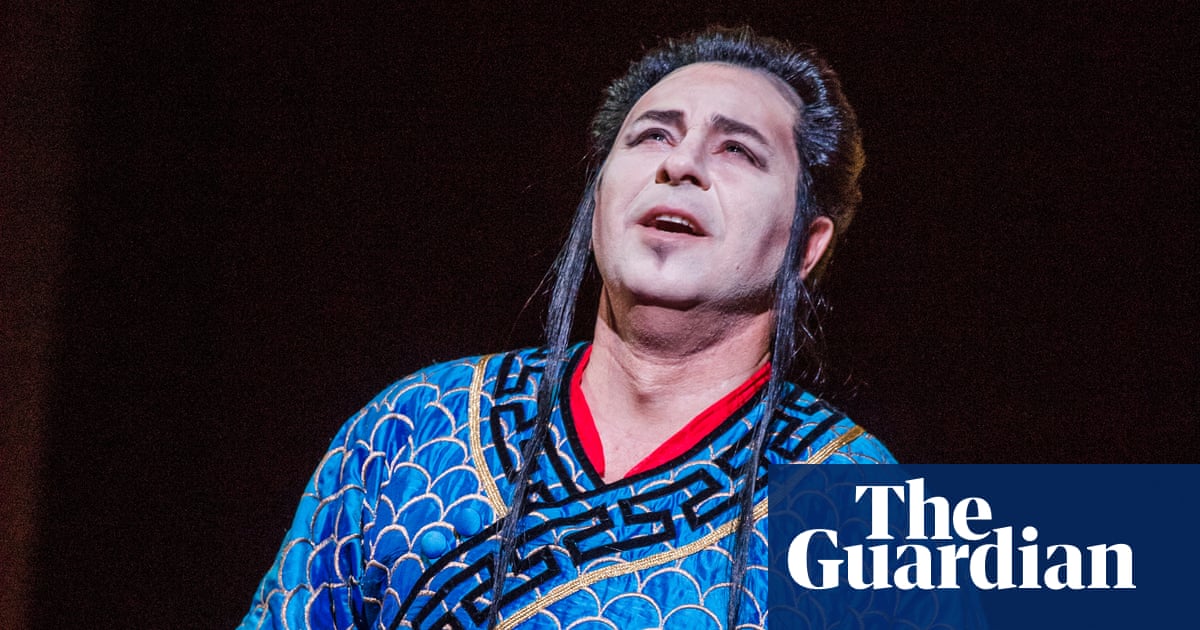
- An incident occurred at the Royal Opera House during Turandot when the tenor Roberto Alagna fell ill, leading to the omission of "Nessun Dorma" and subsequent boos from the audience.
- Opera historian Flora Willson notes that while booing is historically common, British audiences are generally more reserved than those in Italy.
- Audience reactions in opera can be more vocal than in spoken theatre or musicals, sometimes compared to reactions at football matches.
- Historical incidents of audience disruption at Covent Garden include riots over ticket prices and protests over performer selection.
- Changes in audience demographics and behavior have made opera audiences generally less rowdy over time.
- Booing at curtain calls often targets creative teams, but booing singers is considered distasteful by some, especially with the advent of social media.
- The article suggests that some booing can stem from a passionate desire for a specific operatic sound or look, but can also be boorish and reflect a narrow, reactionary view.
- Incidents of unfair booing include a heckler targeting a young actor and boos directed at a singer for playing a villainous role.
- The Turandot incident was described as an "operatic perfect storm" due to the star tenor, popular opera, and famous aria involved.
Continue reading the original article