environment
How the world’s voracious appetite for shrimp is destroying Ecuador’s mangroves
As demand soars, the country’s mangrove forests and the livelihoods of shellfish gatherers are under threat from encroaching farms and unchecked pollution
TL;DR
- Ecuador's shrimp exports have quadrupled in a decade, driving farms deeper into mangrove ecosystems.
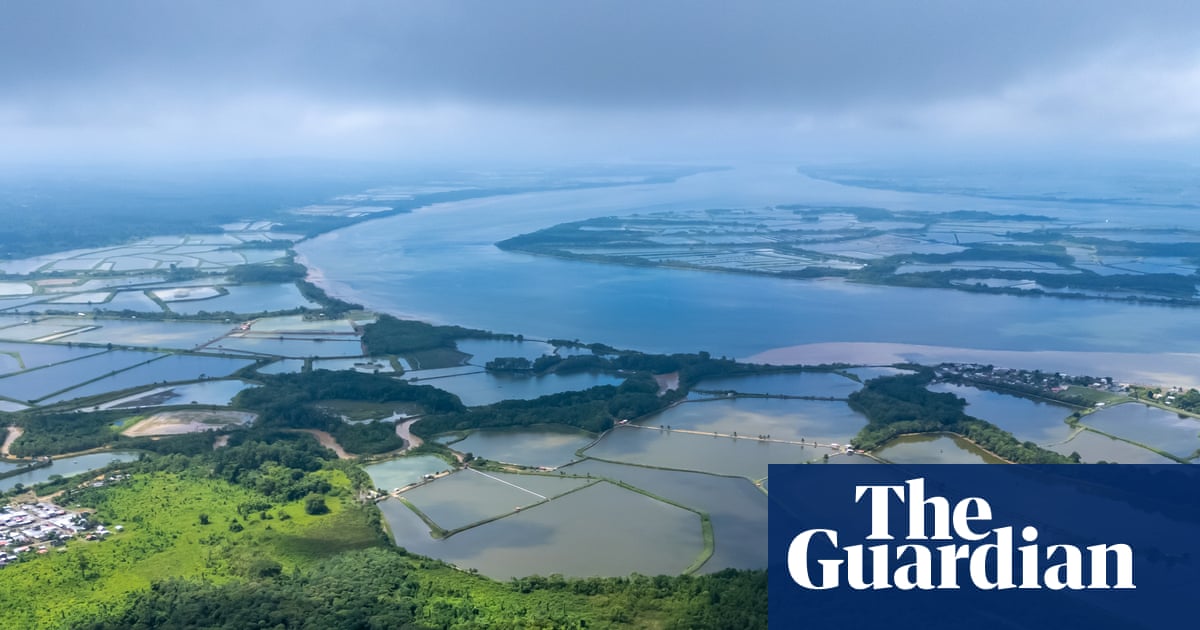
- Shrimp farms are a primary cause of mangrove deforestation, with significant areas converted for ponds.
- Despite a ban on clearing, residents and scientists report ongoing mangrove destruction and habitat alteration.
- Pollution from shrimp farms, including chemical discharge and nutrient-rich waste, harms mangrove health and marine life.
- The regulatory system for shrimp farming is weak, with insufficient inspectors and a lack of effective enforcement.
- Community efforts to report damage often result in no accountability or sanctions.
- Industry-backed restoration projects are viewed with skepticism, with concerns they may not address past damage adequately.
- Local communities are engaged in their own mangrove restoration efforts, facing challenges but persisting in hope.