tech
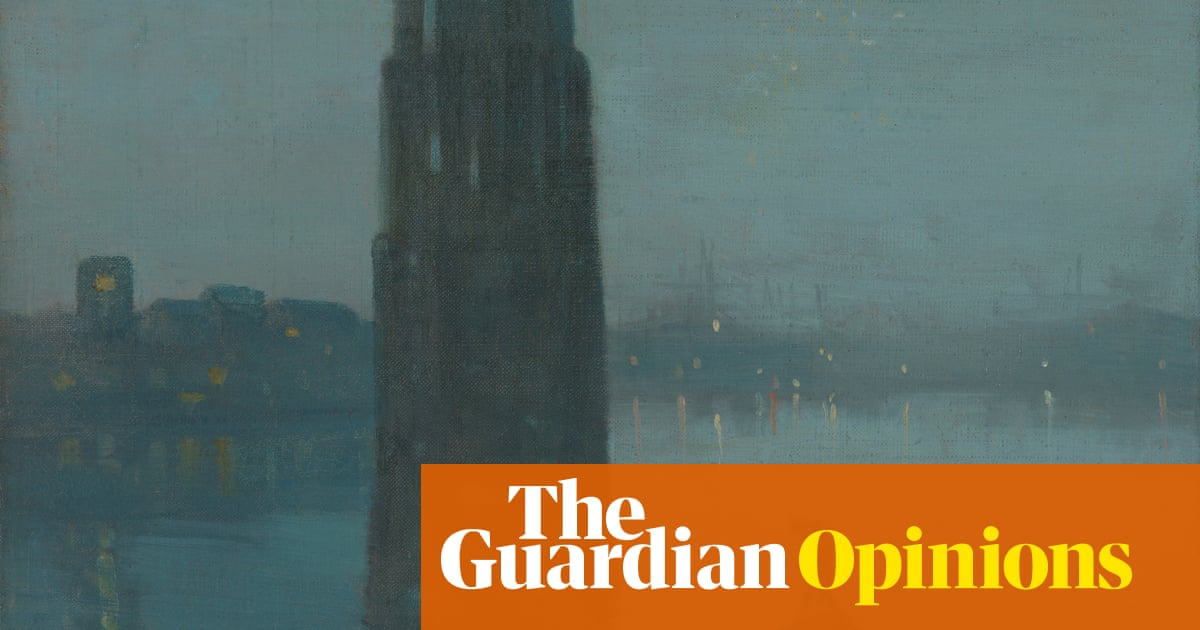
Fantastic visions and cosmic rhythms: how Whistler is making me see
A new exhibition at Tate Britain includes canvases titled after symphonies and nocturnes, but the inspiration flows in both directions. Plus, how Felicity Lott led me to an epiphany
TL;DR
- Whistler titled his paintings using musical conventions like "Arrangement," "Symphony," "Harmony," and "Nocturne" to emphasize aesthetic harmony over subject matter.
- Whistler believed painting, like music, should be independent and appeal directly to the senses, free from external emotions like patriotism or love.
- Claude Debussy's "Trois Nocturnes" were inspired by Whistler's "Nocturnes," aiming to capture the "various impressions and the special effects of light" suggested by the title.
- Both Whistler and Debussy explored the idea that their compositions were not "about" a single thing but rather a play of forms that evoked new sensations.
- The article also mentions personal epiphanies experienced through listening to Felicity Lott sing Strauss's "Four Last Songs" and Herbert Blomstedt conducting Mahler's Ninth Symphony.