tech
February 28, 2026
Ancient by Luke Barley review
A former ranger tells the story of how the UK’s forests intimately shaped – and were shaped by – its people
TL;DR
- Britain has a long history of immigration, extending to its natural flora and fauna.
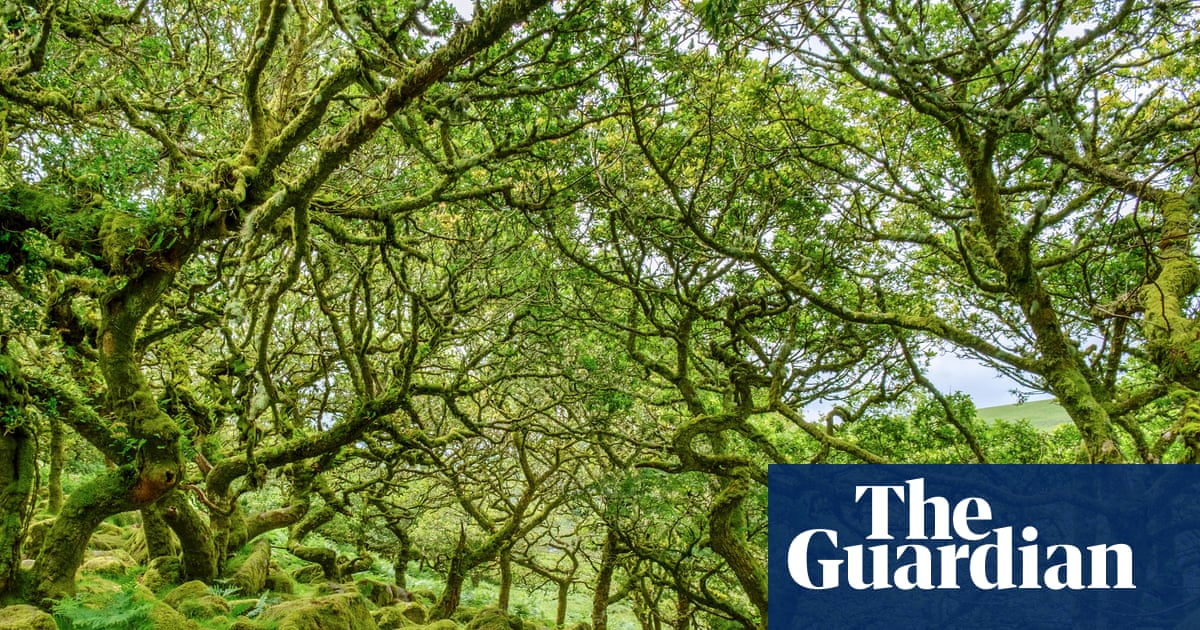
- Ancient woodlands are defined as those in existence by 1600 (or 1750 in Scotland) and represent the last links to primeval forests.
- Wood has been crucial for human survival and technological advancement throughout history, from fuel to building materials.
- Human practices like coppicing helped create diverse woodland ecosystems, mimicking the role of prehistoric megafauna.
- Industrialisation and changing land use from the 18th century onwards led to the loss of common rights to woodlands and accelerated forest destruction.
- Nearly half of Britain's ancient woodland was lost between WWII and the 1980s, and it now constitutes only 2.5% of the land area.
- Protecting remaining ancient woodlands is essential for addressing climate and nature crises, as human survival depends on them.
Continue reading the original article