Argentina was the model of how to survive a dictatorship. Javier Milei is changing that
By questioning the scale of atrocities and deriding human rights activists, Milei is dismantling the consensus over the country’s dirty war
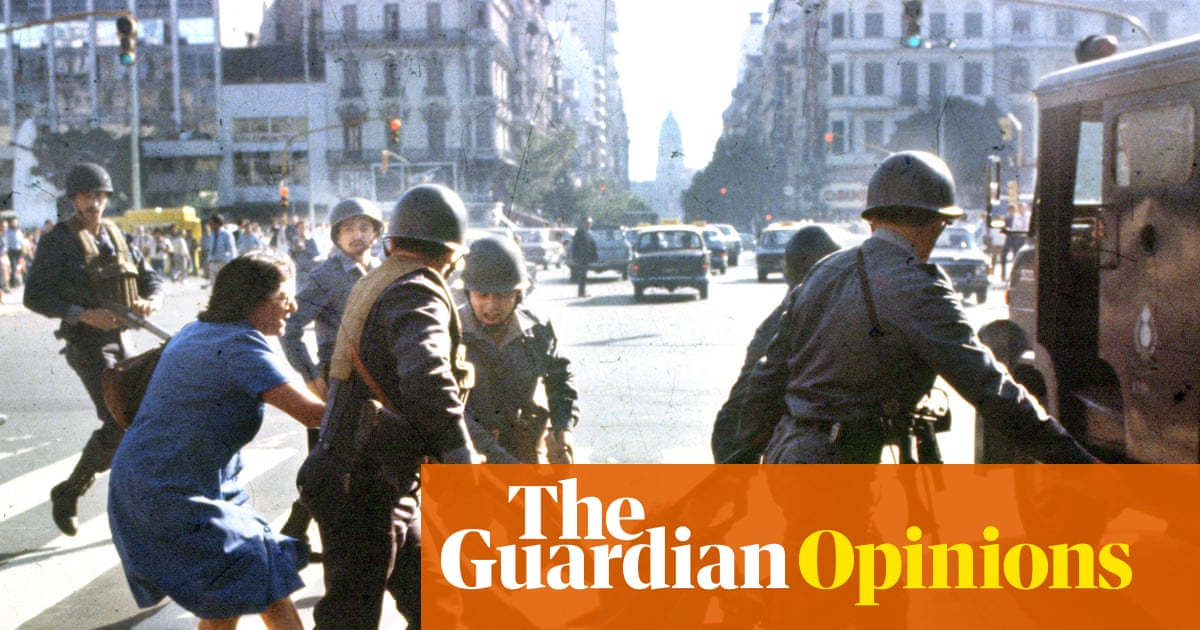
TL;DR
- Argentina is marking the 50th anniversary of the 1976 military coup, which led to a brutal dictatorship.
- President Javier Milei is challenging the democratic consensus on remembering the dictatorship's atrocities, questioning victim numbers and deriding activists.
- Milei's actions, including potential pardons for convicted officers and reduced funding for human rights bodies, are seen as a direct assault on the post-dictatorship settlement.
- Historically, Argentina has grappled with its past, from the "Nunca Más" report and Trial of the Juntas to laws limiting trials and the "theory of the two demons."
- Activists, particularly human rights organizations like the Mothers and Grandmothers of Plaza de Mayo, played a crucial role in consolidating a moral framework for memory, truth, and justice.
- While the consensus has fractured, with some perceiving human rights policies as an ideological project, a majority of Argentinians reportedly hold negative views of the dictatorship.
- Milei's rise is linked to generational shifts and disillusionment with democratic failures like economic instability, with the democratic consensus itself becoming associated with a perceived failing establishment.
- Despite political challenges, Argentina's human rights movement has achieved significant accountability through trials and memorials, and public opinion still largely rejects the dictatorship.
- Rumors of pardons and Milei's rhetoric are seen as provocations to mobilize his base and distract from austerity measures, rather than legislative intent.
- The annual commemoration remains an activist struggle over how Argentina understands its past, debates its present, and contests its national narrative.