health
‘The eww holds power’: why disgust shapes how we see nature, queerness and each other
We learn what to fear and reject from those around us. But if disgust can be learned, it can also be unlearned
TL;DR
- Disgust is not purely instinctive but is significantly shaped by culture, experience, and social cues.
- Learned disgust can lead to the devaluation and marginalization of creatures (like bugs) and people (like the queer community) by framing them as "other" or contaminants.
- Historical and ongoing examples show how language of contamination is used to justify avoidance, exclusion, or eradication.
- Nature does not contain "others"; all living beings are part of interconnected systems, and difference is inherent to nature.
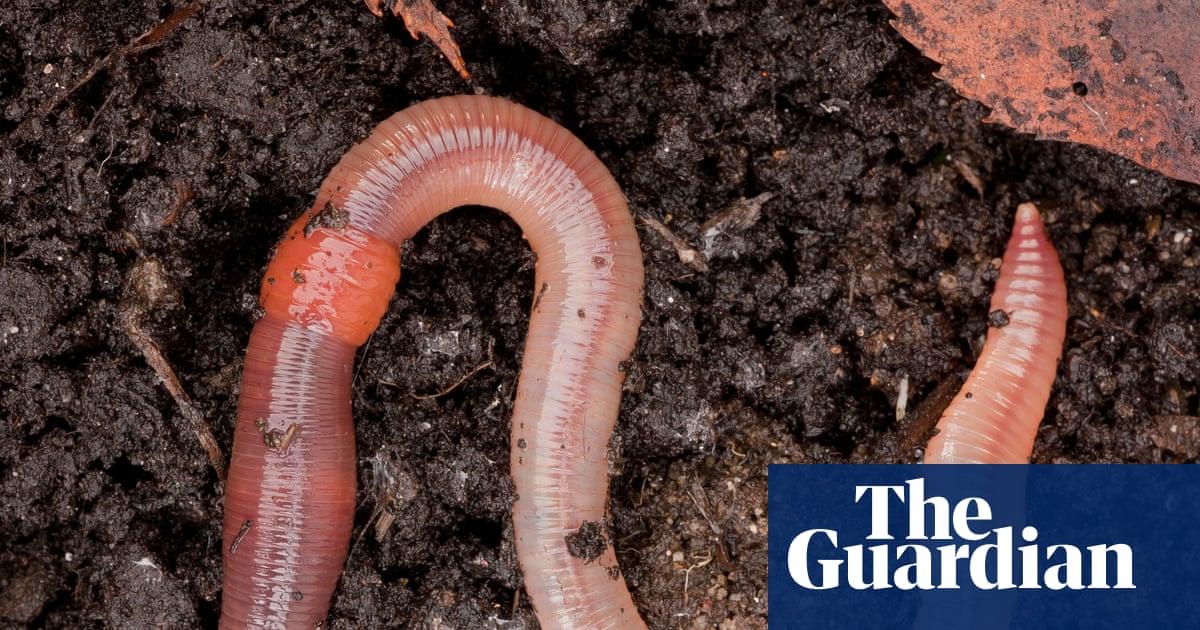
- Disgust can be unlearned through familiarity and direct encounter, similar to how the author overcame their own aversion to worms.
- Understanding and challenging prejudice grow through contact, curiosity, and conversation, rather than distance.