Korea review
British Museum, LondonThe staggering resourcefulness and fantastic originality of bygone artisans is showcased in earthenware so exquisite it will soothe your soul. But a lurch into the modern breaks the spell
TL;DR
- The exhibition features impressive ancient Korean art, including a large bronze bell, hand-copied sutras, bodhisattva statuettes, and intricate stoneware.
- Korean ceramics, particularly celadon from the Goryeo dynasty and moon jars from the Joseon dynasty, are highlighted for their originality and aesthetic appeal.
- The exhibition's transition to early 20th-century art is abrupt and disappointing, featuring modern pastiches and Western-style modernism.
- The collection largely reflects the taste of its owner, Lee Kun-hee, former chair of Samsung, rather than an objective history of Korean art and beliefs.
- The exhibition inadequately represents the suffering and complexities of Korea's 20th century, including Japanese colonization and the Korean War.
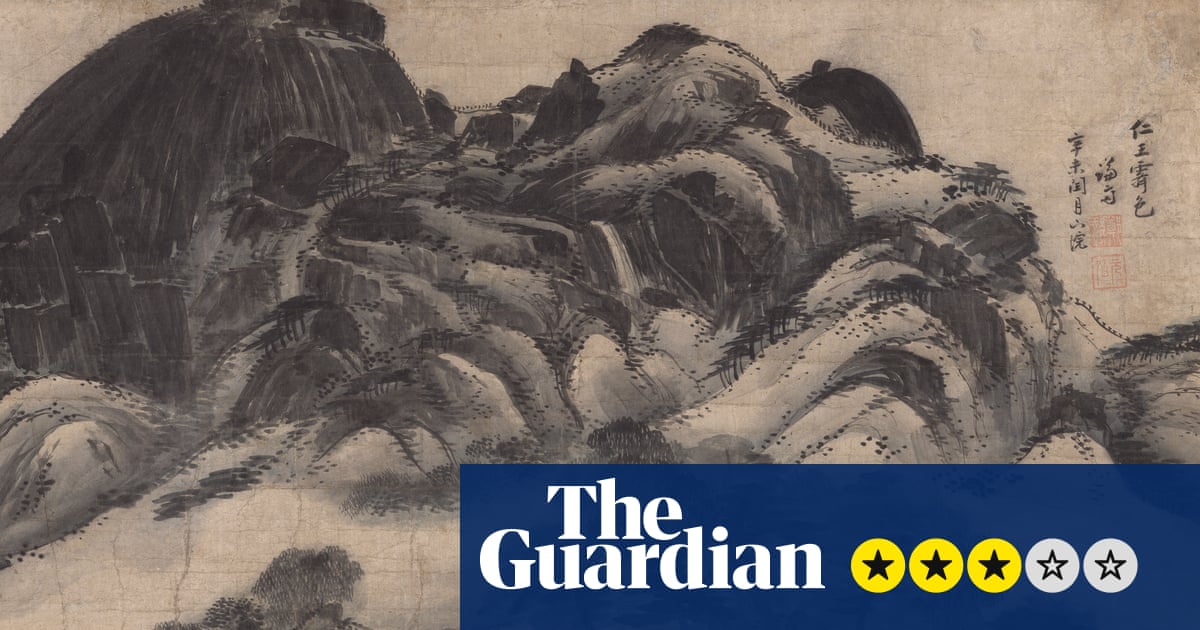
- Despite the flaws, artworks like Jeong Seon's 'Clearing After Rain on Mount Inwang' and Do Ho Suh’s self-portrait evoke the lost harmony and personal loss associated with Korean history and culture.