The Colbert Collapse: How Television's Sharpest Satirist Lost His Edge
And then came CBS. On Comedy Central, Colbert was a must-watch. You never quite knew what he was going to do, because the character he had built was expansive and strange enough to go anywhere and say anything. On CBS, you always knew exactly what he was going to say. The monologue would skewer President Donald Trump. The desk piece would skewer Trump. The guest interview would pivot, at some point, to Trump. The format was not revelatory — it was reactive. When you strip away the character, you strip away the distance. Satire requires a certain remove from its target — the Colbert of Comedy Central had that remove built into his form. The Colbert of CBS was, increasingly, just a smart and angry man behind a desk, preaching to a choir that already knew every hymn. Variety, reviewing the final season, called the show “not very good TV” and “out of touch with everyday Americans.” That verdict, however harsh, is not wrong.
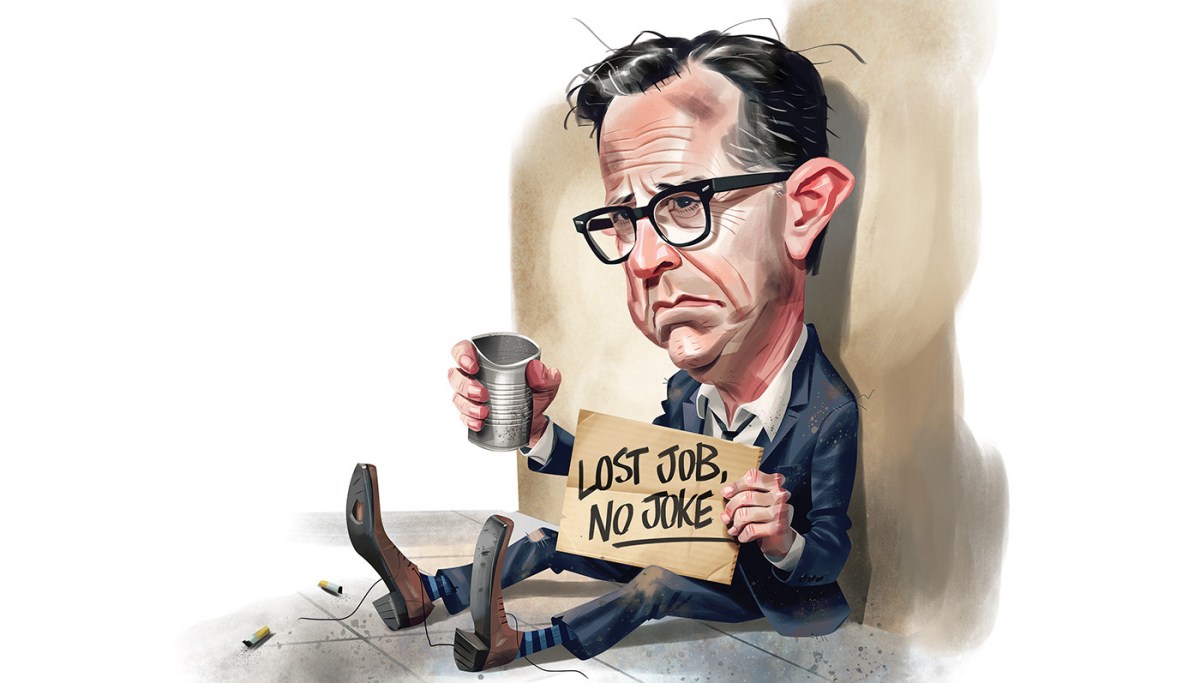
TL;DR
- Stephen Colbert's *Late Show* on CBS is ending on May 21st after an 11-year run.
- The show is considered a disappointment compared to the satirical brilliance of Colbert's earlier *Colbert Report* on Comedy Central.
- The CBS show is criticized for its reactive, anti-Trump focus, lacking the distance and surprise of his original character.
- The article discusses the financial decline of late-night television and potential political interference impacting shows like Colbert's and *Jimmy Kimmel Live!*.
- The broader role and future of political comedy in American discourse are questioned amidst these pressures.