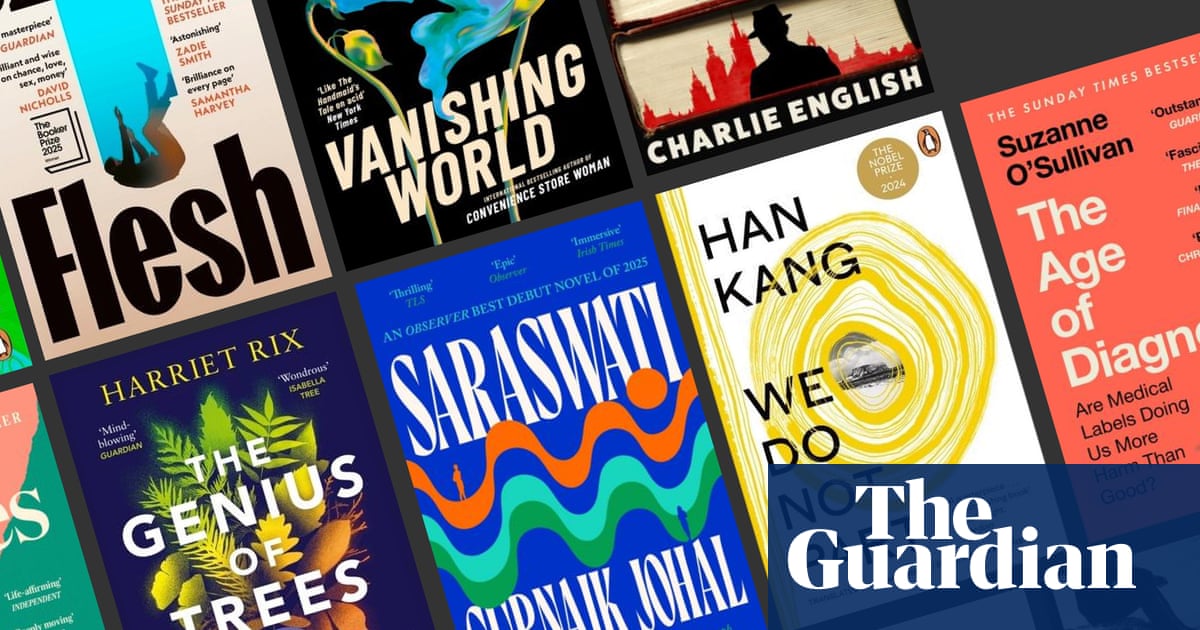
This Month’s Best Paperbacks: David Szalay, Han Kang and More
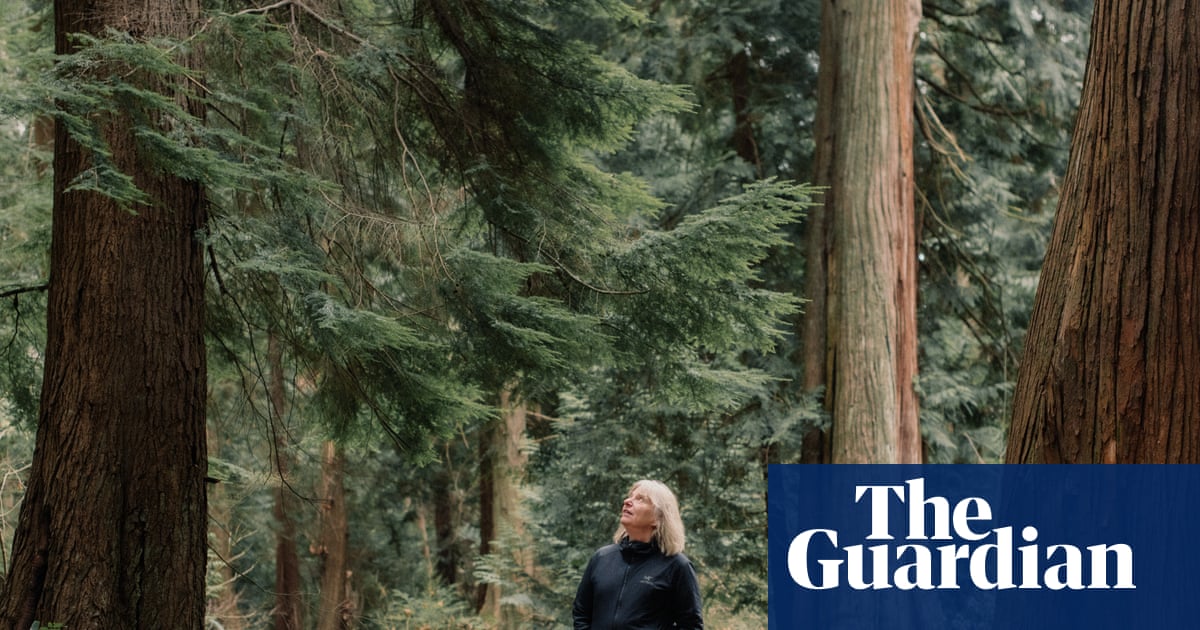
Tracking a river through a cedar forest in Ecuador, Robert Macfarlane comes to a 30ft-high waterfall and, below it, a wide pool. It’s irresistible: he plunges in. The water under the falls is turbulent, a thousand little fists punching his shoulders. He’s exhilarated. No one could mistake this for a “dying” river, sluggish or polluted. But that thought sparks others: “Is this thing I’m in really alive? By whose standards?”
He’s in the right place to be asking. In September 2008, Ecuador, “this small country with a vast moral imagination”, became the first nation in the world to legislate on behalf of water, “since its condition as an essential element for life makes it a necessary aspect for existence of all living beings”.
Macfarlane’s book is timely. Rivers are in crisis worldwide. They have been dammed, poisoned, reduced to servitude, erased from the map. In the UK, “a gradual, desperate calamity” has befallen them, with annual sewage dumps at despicable levels. “Generational amnesia” means that young people don’t know what clean rivers are. Macfarlane wants them to revive – and to remind us of the interconnectedness of the human and natural world, as captured in a Māori proverb: “I am the river; the river is me.”
Macfarlane is less a philosopher wrestling with notions of sentience and pan-psychism than he is a nature writer, the author of memorable books about mountains, landscape and underworlds, as well as a celebrant of words (acorn, bluebell, kingfisher, otter, etc) he fears children no longer know. He’s also a dauntless traveller and in his new book records trips to India and Canada as well as Ecuador. The battle is to save rivers as living beings. Macfarlane’s impassioned book shows the way.