economy
Liberation Day's broken promises
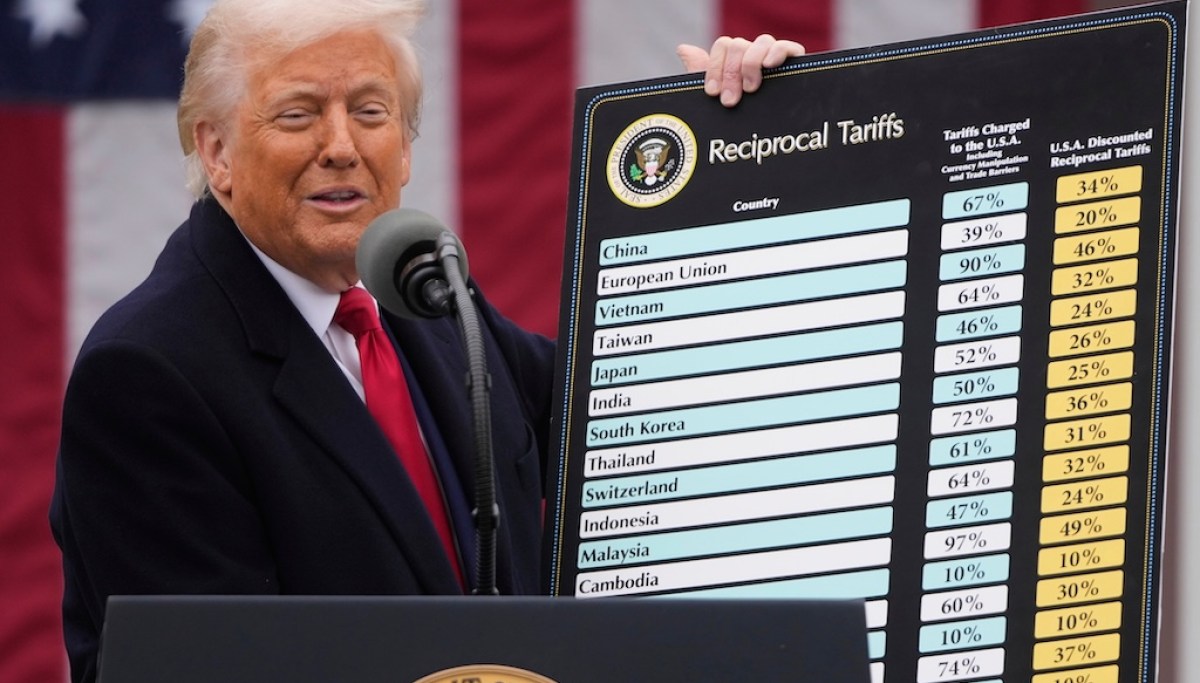
President Donald Trump promised that “April 2, 2025, will forever be remembered as the day American industry was reborn.” The Liberation Day tariffs, he said then, were going to “make America wealthy again,” ushering in the “golden age of America.”
TL;DR
- President Trump's "Liberation Day" tariffs, launched on April 2, 2025, aimed to revitalize American industry and economy.
- Contrary to promises, the tariffs resulted in labor force dropouts, slower growth, and job losses in manufacturing and agriculture.
- The tariff agenda lacked coherence, with seemingly arbitrary targets and exceptions, including waiving tariffs on China's high-tech sector.
- Tariffs negatively impacted bond markets, leading to temporary pauses and truces.
- The Supreme Court ruled some tariffs unconstitutional, but the administration sought alternative legal paths.
- The share of adults working or looking for work decreased by 0.5 percentage points, representing 1.4 million individuals.
- The American economy experienced anemic job growth, and households faced an additional $1,000 in costs due to tariffs.
- Manufacturing jobs declined by 93,000 and agricultural jobs by 96,000 since March 2025.
- Lobbying revenue saw a significant increase, benefiting from tariff actions and exemptions.
- The promised economic "golden age" has not materialized, with potential political consequences expected in the upcoming election.