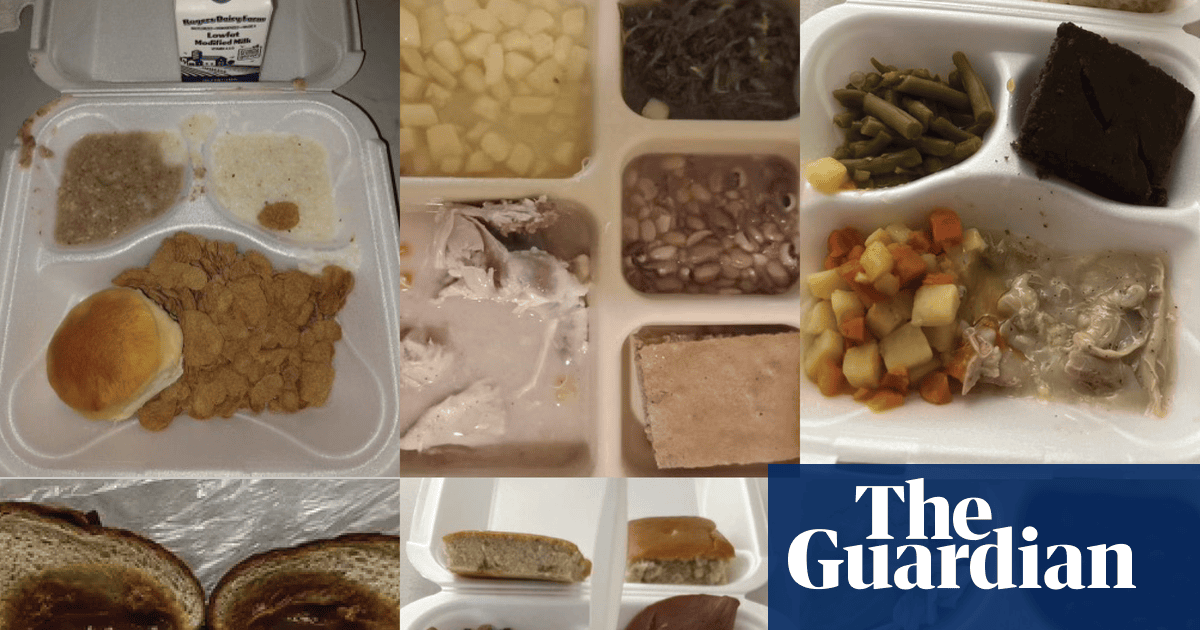
Mystery meat and maggot-infested produce: the disturbing reality of US prison food
In Eating Behind Bars, author Leslie Soble details how food is used to further punish incarcerated people in the US
TL;DR
- In US prisons and jails, incarcerated people are frequently served unhealthy, tasteless, or inedible meals, leading to hunger and malnutrition.
- The book "Eating Behind Bars" exposes how food is used as a method of punishment, contributing to exacerbated or new health conditions.
- Prison diets are typically high in processed foods and low in nutrients, with meals designed merely to sustain life rather than nourish.
- Incarcerated individuals may face punishment, including solitary confinement, for minor infractions related to food, such as attempting to share or save food.
- Many incarcerated people work in prison kitchens or agricultural programs for very low pay, producing food they cannot consume.
- Reforms are being advocated by groups driven by formerly or currently incarcerated people and their families, focusing on accountability and improved food systems.
- Programs like "Harvest of the Month" are introducing fresh, local produce into prisons, significantly impacting the well-being of incarcerated individuals.
- Barriers to reform include the high rate of incarceration in the US, lengthy sentences, and prevailing negative attitudes towards incarcerated people.