health
Danger after disaster: why emergencies come with increased risks for women
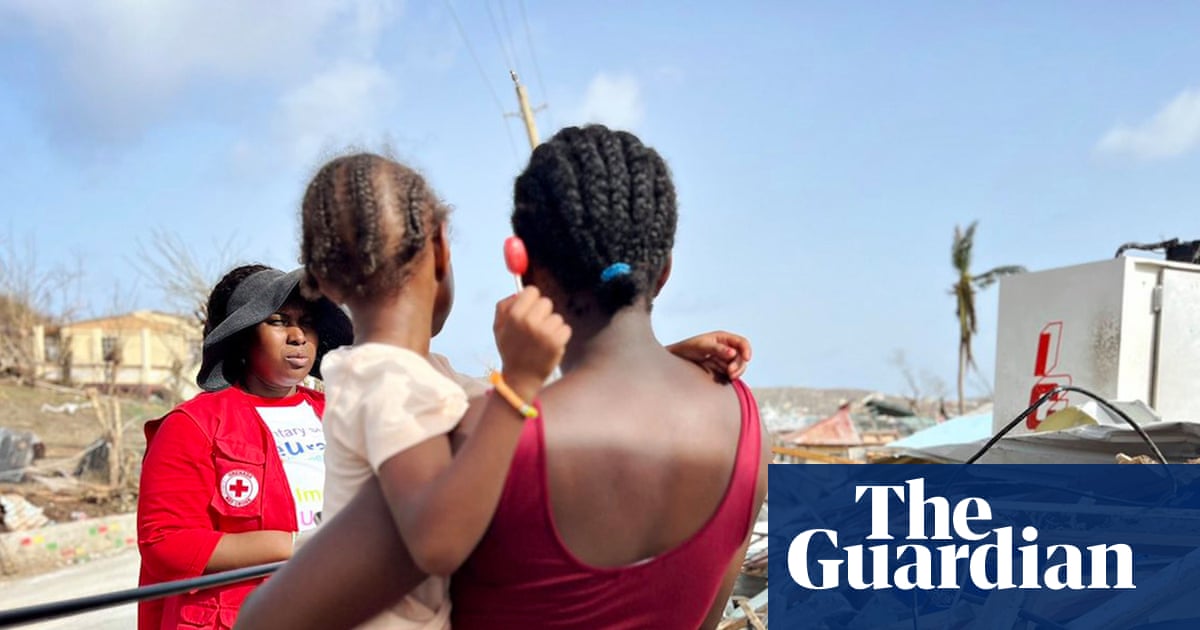
After events such as Hurricane Beryl in the Caribbean, shelters offer refuge but no guarantee of safety to women and girls
TL;DR
- Women and girls face increased vulnerability and risks during and after natural disasters, including in emergency shelters.
- Pre-existing social and cultural demands on women as primary caregivers exacerbate their difficulties during crises.
- Emergency shelters can lack security, increasing the risk of gender-based violence, particularly when lacking doors, walls, or locks.
- Organizations like UN Women and the UN Development Programme are working to embed gender equality and human rights in disaster recovery in the Caribbean.
- The International Federation of Red Cross and Red Crescent Societies provides guidance to address challenges faced by women and girls in shelters.
- Key provisions for women in shelters include safe, private sleeping quarters, bathrooms, and menstrual hygiene products.
- The Bahamas faces challenges with shelter capacity, aiming to increase it significantly over the next decade.
- Many existing shelters are older, not designed for accessibility, or to address gender-specific challenges.
- The recovery phase after a disaster is particularly challenging for women, affecting their ability to access loans, feel safe as business owners, and regain stability.
- Individual experiences, like Tedica Alexander's after Hurricane Beryl, illustrate the personal impact of disaster and the resilience demonstrated by communities and women.