Africa’s great elephant divide: countries struggle with too many elephants
In countries such as South Sudan, the great herds have all but disappeared. But further south, conservation success mean increasing human-wildlife conflict
TL;DR
- South Sudan's elephant population has declined by 95% in the last 50 years.
- The last known elephant in South Sudan's Badingilo National Park was killed by poachers.
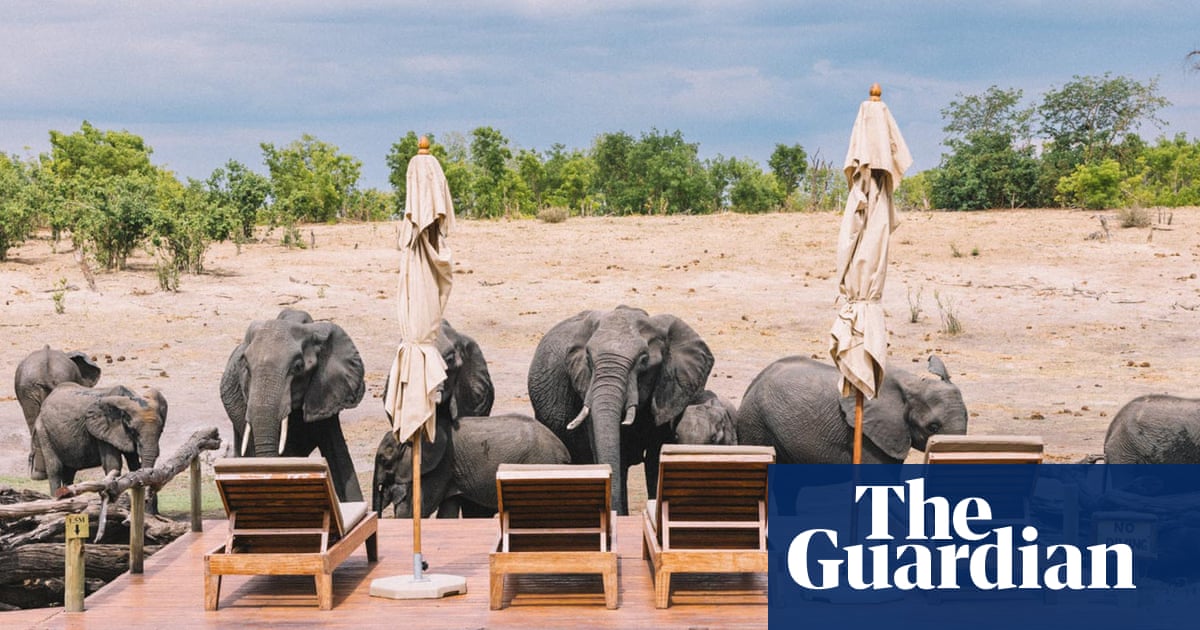
- Successful conservation in southern Africa's Kavango Zambezi region has led to an overabundance of elephants.
- Human-wildlife conflict is rising in areas with too many elephants, leading to discussions about culling, hunting, or translocation.
- Poverty and lack of employment in South Sudan contribute to poaching for ivory and sustenance.
- Artificial waterholes and expanding human settlements have disrupted elephant migration patterns in areas like Hwange National Park, Zimbabwe.
- Solutions to human-elephant conflict include deterrents like whips, bonfires, chilli fences, and high-voltage fencing.
- Elephant translocation is a possible solution but is challenging and expensive to implement at scale.
- The article contrasts the extreme situations of too few elephants in South Sudan and too many in southern Africa.