What happens to accidental heroes when the headlines fade? ‘You get your award and then there’s nothing’
After traumatic events we look for reminders of humanity’s good, and flashes of courage from ordinary people become symbols of hope. But it can be hard to wear the hero’s crown
TL;DR
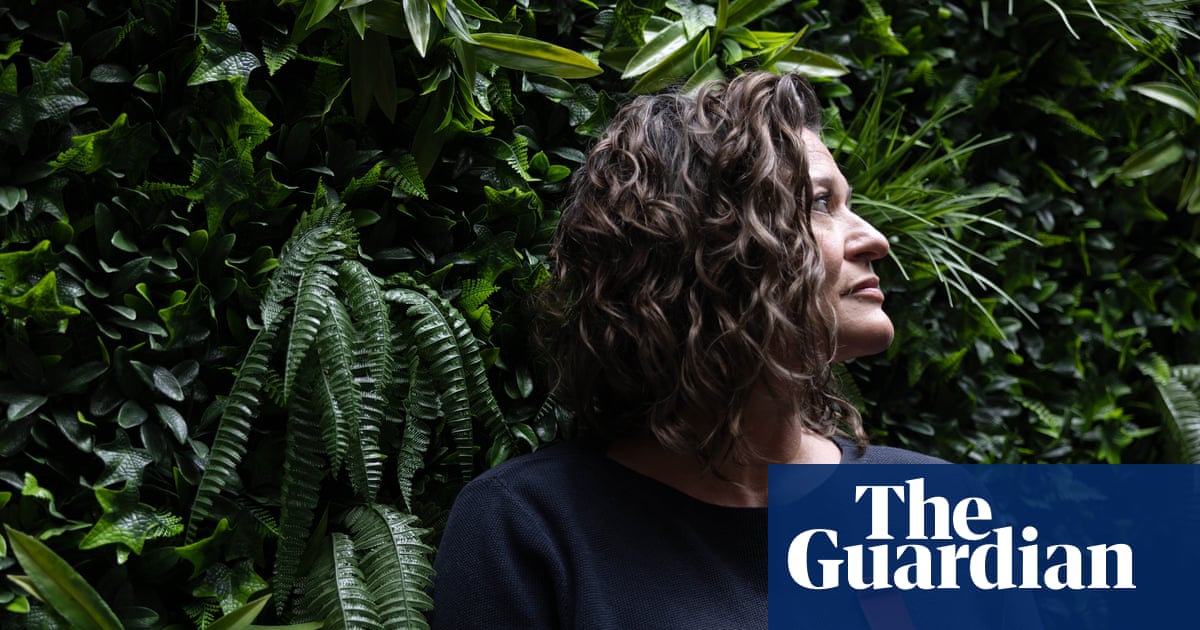
- Anneke Weemaes-Sutcliffe recounts her experience during the 2016 Brussels airport bombing, where she selflessly aided the wounded.
- Other examples of civilian bravery include Lynne Beavis, Richard Joyes, Timothy Britten, Samir Zitouni, Damien Guerot (“Bollard Man”), Michael Rodgers (“Trolley Man”), and Ahmed al-Ahmed.
- Despite public recognition and bravery awards, many individuals who act heroically suffer from long-term psychological trauma, such as PTSD.
- Research indicates a high percentage of bravery award recipients experience PTSD symptoms, with some facing financial hardship due to their condition.
- Unlike emergency service personnel, civilians who perform acts of bravery often receive no formal support or intervention.
- Media coverage surrounding these events can help make sense of tragedy but also exacerbate trauma for survivors and their families.
- The societal impulse to categorize people as heroes, victims, or villains is a way to process chaotic events and restore moral order, but it can oversimplify complex situations.
- Some individuals experience post-traumatic growth, leading to a greater appreciation for life and a pursuit of passions after trauma.