politics
German airport attack reeks of Russian intelligence
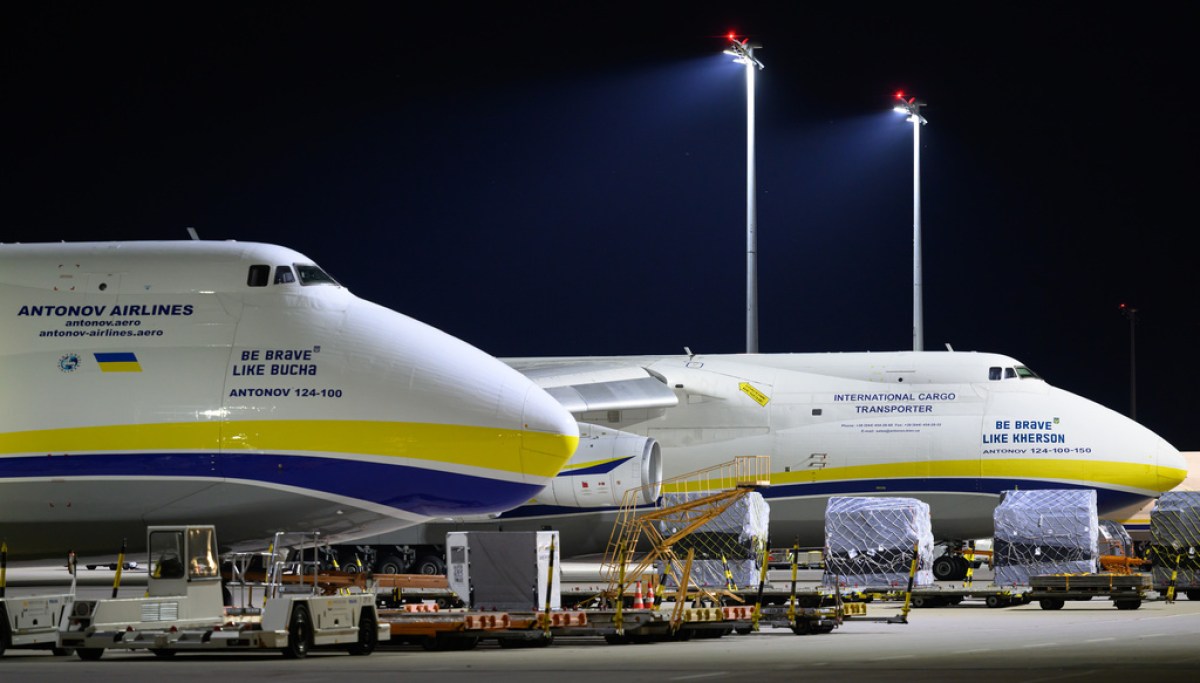
On Tuesday, workers at Germany’s Leipzig/Halle airport discovered a drone in a cordoned cargo zone near a runway. The drone carried a detonator and military-grade Semtex explosives, and it had landed beside a Ukrainian cargo aircraft. Around the same time, a second flying object apparently struck a diverted DHL cargo plane, which landed in Hanover with minor damage. The freight hub suspended operations, flights were directed to other cities, and Germany opened a counterterrorism investigation. Interior Minister Alexander Dobrindt described a hybrid attack scenario, while leaving questions of origin and authorship to investigators.
TL;DR
- A drone with a detonator and Semtex explosives was found at Leipzig/Halle airport near a Ukrainian cargo plane.
- A second flying object damaged a diverted DHL cargo plane in Hanover.
- Germany launched a counterterrorism investigation into the incidents.
- These events resemble a pattern of sabotage across Europe attributed by Western agencies to Russian intelligence services.
- Past incidents linked to Russian intelligence include explosions at Czech and Bulgarian arms depots, poisoning of an arms dealer, and the Skripal poisoning.
- Recent sabotage attempts include flammable devices at DHL depots in Europe and alleged Russian plots against Rheinmetall's CEO.
- Drone incursions and airspace violations have occurred in Denmark and Poland, prompting NATO responses.
- Sabotage has also affected rail lines and undersea cables, with local criminals reportedly recruited for deniable operations.
- The objectives of these operations are to exert psychological pressure, coerce governments, and manage escalation on Moscow's terms.
- The incident highlights the threat posed by low-cost drone technology to critical infrastructure.
- NATO security must prioritize drone technology and counter-drone defense.
- Ukraine is suggested as a strategic partner in building resilience against these threats.
- A recommended response is asymmetrical, involving more support for Ukraine, seizing Russian assets, and disruptive operations against Russian networks.
- The goal is to alter Moscow's calculation so that operations cost more than they yield.