environment
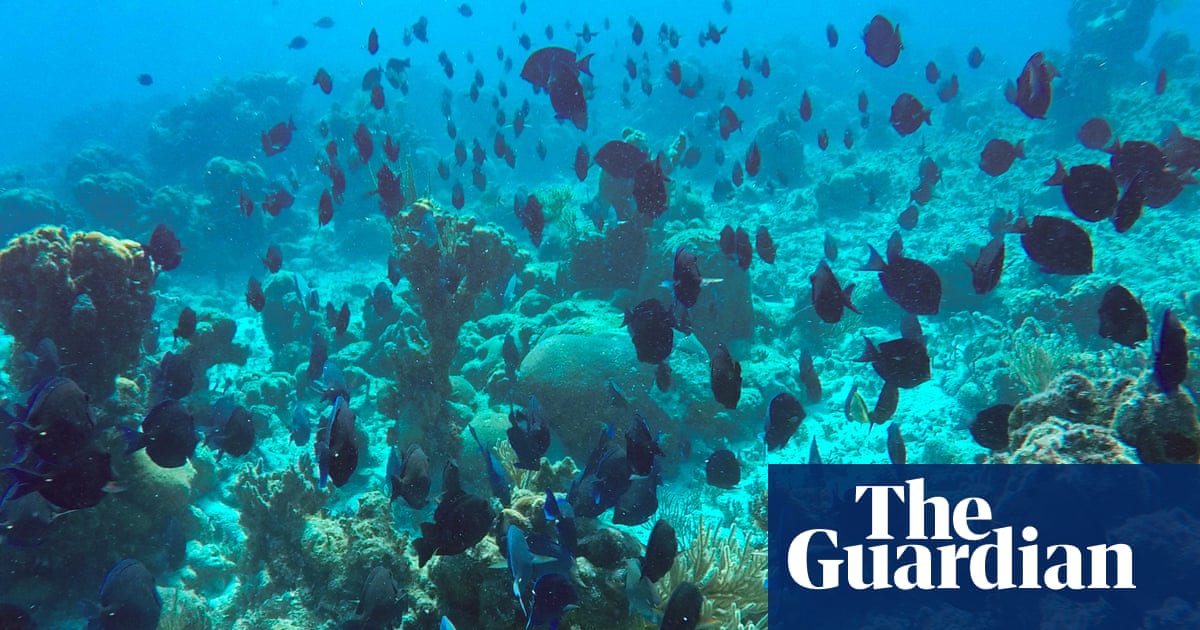
Freedivers, leftover cables and bits of clay: Cuba gets inventive to save its pristine reefs amid US blockade
With limited resources and sanctions tightening, conservationists are forced to find new ways to protect the coral reefs of Ciénaga de Zapata national park
TL;DR
- Conservationists in Ciénaga de Zapata national park, Cuba, face challenges protecting coral reefs due to limited resources and tightening US sanctions.
- Scientists are using innovative methods such as freediving, recycled materials (broken clay, leftover cables) for coral restoration, and manual oxygenation of fish tanks during power cuts.
- Local conservationists and volunteers are essential for monitoring the area and assisting with experiments.
- The economic scarcity and oil blockade hinder essential activities like transporting volunteers and controlling illegal fishing.
- A decline in tourism, due to the pandemic and blockade, has pushed some individuals back to illegal fishing, posing a threat to the ecosystem.