tech
‘This feels fragile’: how a satellite-smashing chain reaction could spiral out of control
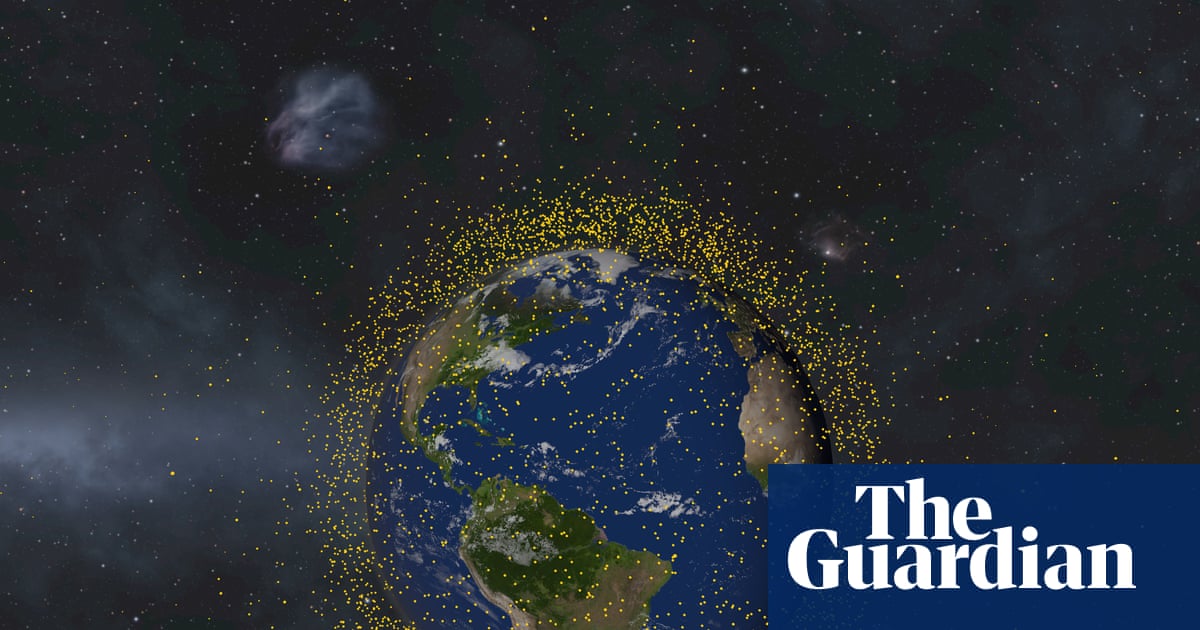
Today, the space around Earth can no longer be considered empty. More than 30,000 objects are in orbit, and that figure is rising exponentially
TL;DR
- Earth's orbit, once empty, now hosts over 32,000 satellites and debris, a number projected to exceed 60,000 by the end of the decade.
- The space race between the US and Soviet Union initiated the satellite era, which has since expanded with numerous countries and private companies launching objects.
- Private companies like SpaceX, with its Starlink satellites, have accelerated the launch of smaller, mass-produced spacecraft, leading to the era of 'mega-constellations'.
- Space debris, including discarded rocket stages and fragments from collisions, adds to the orbital clutter.
- The US and Russia are responsible for the largest number of orbital objects, with the US and China showing significant launch activity in the 2020s.
- The growing density of objects in orbit creates a significant collision risk, exemplified by a 2009 incident where a US satellite collided with a Russian military satellite.
- A major concern is a potential 'Kessler Syndrome' or domino effect, where successive collisions create a debris field making space launches extremely dangerous.
- Current orbital traffic management relies on constant cooperation among satellite operators to avoid collisions, a system described as 'fragile'.
- Strategies to mitigate risks include deorbiting large defunct satellites and developing methods like nets or robotic arms for retrieval.