environment
‘When you plant something, it dies’: Brazil’s first arid zone is a stark warning for the whole country
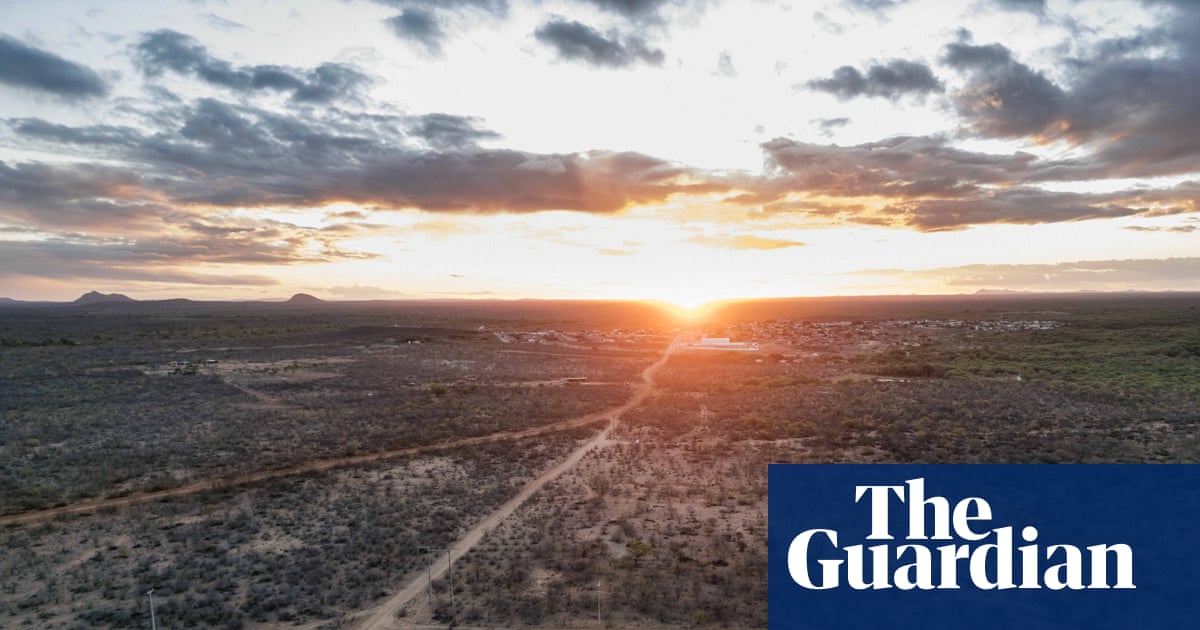
The Caatinga in the north-east has been transformed by the heating climate in just a generation and could become the country’s first desert
TL;DR
- An area of 5,700 sq km in Brazil's semi-arid north-east, within the Caatinga biome, has been classified as arid, marking the first such zone in the country.
- This climatic shift is attributed to decreased rainfall and increased temperatures linked to anthropogenic global warming.
- The prolonged dry seasons and withering vegetation severely impact local livelihoods, particularly goat rearing, forcing farmers to buy feed.
- Water scarcity, though historically a challenge, is exacerbated by longer and more punishing dry seasons, reducing the effectiveness of traditional water management solutions.
- The expansion of arid and dry subhumid areas across Brazil is a concern that extends beyond the north-east, affecting the entire country.
- Addressing desertification requires climate mitigation and reversal efforts, though public policies are reportedly slow to reach affected communities.
- Local communities are seeking solutions such as more frequent water truck visits and exploring alternative income sources, but challenges remain.