economy
A robust future? Why Brazil’s ‘bitter’ coffee is thriving as the climate crisis hits global crops
Long seen as the poor relation to arabica, small growers in the Amazon are rebooting the more resilient robusta’s reputation
TL;DR
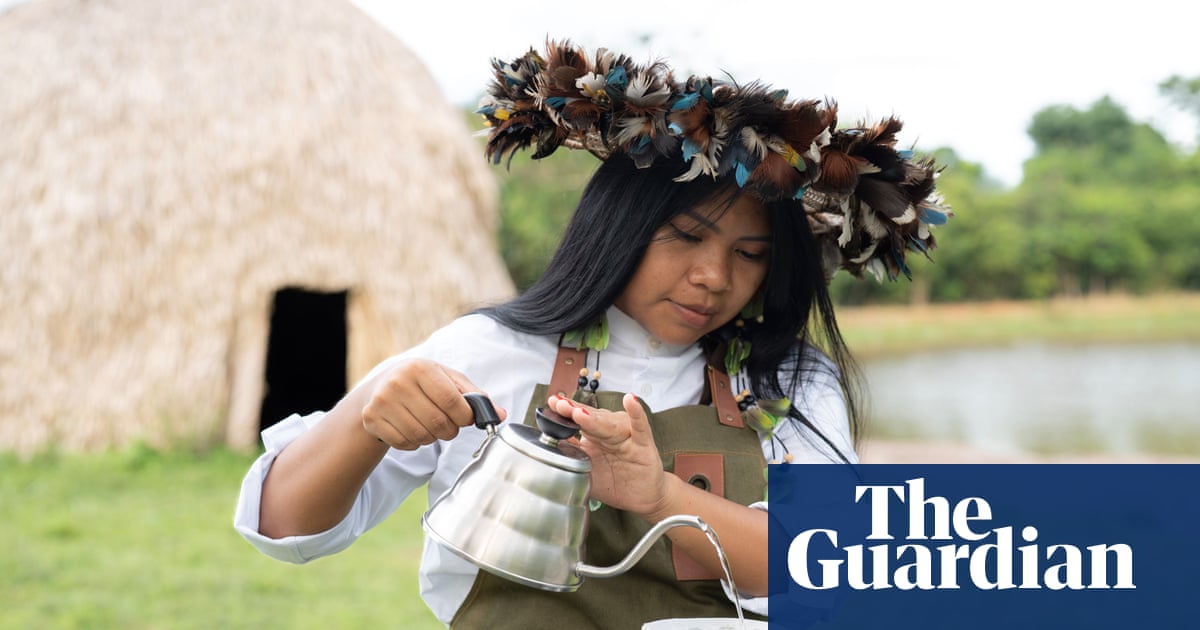
- The Paiter Suruí community in Rondônia, Brazil, is successfully cultivating robusta coffee, turning plantations left by colonizers into a source of income and a tool for forest preservation.
- Robusta coffee is more resilient to higher temperatures than arabica, making it increasingly important for meeting global demand as climate change impacts traditional coffee-growing regions.
- Efforts are underway to improve the quality of robusta, once considered a lower-grade coffee, through research, better farming techniques, and sustainable practices.
- The climate crisis poses a significant threat to global coffee production, with rising temperatures and unpredictable weather affecting yields and forcing farmers to adapt.
- Innovations such as breeding resilient plants, improving harvest and post-harvest care, and integrating coffee farming with forest ecosystems are key to securing a sustainable future for coffee.
- Sustainable farming practices, including water conservation, reforestation, and crop rotation, are being implemented by communities like the Suruí and families like the Bentos.
- There are concerns that rising coffee prices could lead to monoculture and deforestation, highlighting the need for strategic environmental management plans.
- Experts advocate for a shift towards valuing forest products and supporting Indigenous knowledge to ensure the economic and environmental well-being of the Amazon region.