health
‘I couldn’t breathe’: the deadly health burden of wildfire smoke
Scientists race to untangle complex links between exposure and mortality as fire weather grows more prevalent
TL;DR
- Wildfire smoke is a major cause of death globally, contributing to 1.5 million early deaths each year, more than floods, flames, storms, and heat combined.
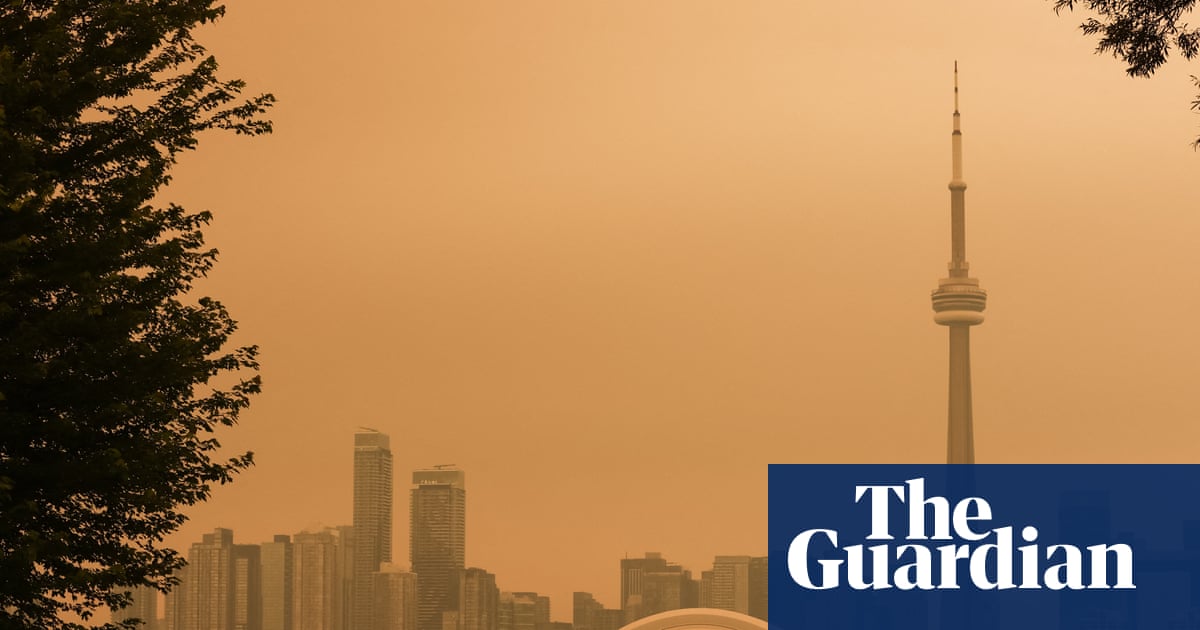
- The plumes from wildfires can travel vast distances, causing significant mortality burdens in areas far from the actual fires, such as the US and Europe from Canadian wildfires.
- Scientists are racing to understand the full health impacts of wildfire smoke, as climate change is increasing the frequency and severity of fire weather.
- Exposure to wildfire smoke can lead to respiratory problems, inflammation, and tiny particulates that can reach and affect every organ in the body.
- The analogy to general air pollution is imperfect, as wildfire smoke contains more organic compounds and ultra-fine particles, potentially making it up to 10 times more harmful in the short term.
- Compounding climate events like heatwaves, land-use changes, and natural phenomena like El Niño are creating conditions ripe for more frequent and intense fires.