health
'Drops take seconds but change a life for ever': the women saving India’s remotest people from polio
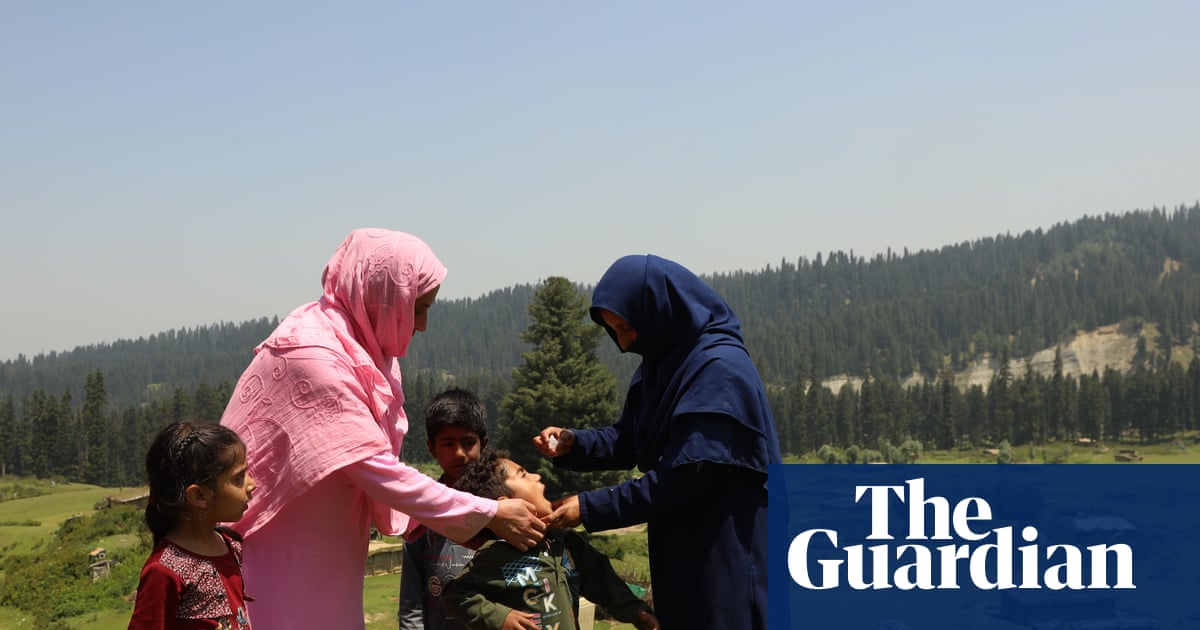
Shameema and Tanzeela must trek for miles in summer heat to vaccinate children in Kashmir’s highlands as part of a vast national programme
TL;DR
- Shameema and Tanzeela, health workers in Kashmir, trek long distances in high temperatures to vaccinate children.
- They are part of India's national immunisation program, the world's largest, employing 2.5 million frontline health workers.
- The women carry insulated boxes with vaccines, maintaining a cold chain, and document each vaccination in paper registers.
- Their compensation is low (125 rupees/day or approx. £1), and they face difficult terrain, often walking on paths that require sturdy footwear.
- India has been polio-free since 2014, a success attributed to its vast surveillance network and dedicated health workers.
- The oral polio vaccine relies on gut immunity to prevent transmission, which is especially vital in areas with shared water sources.
- Reaching nomadic communities like the Gujjar and Bakarwal requires coordination and the efforts of frontline workers familiar with the terrain.
- The national program targets 27 million children under five, utilizing a large network of vaccinators and booths, with mobile teams reaching remote areas.
- In regions like Kashmir, women on foot often complete the final leg of vaccine delivery to isolated settlements.
- The families in these remote areas welcome the vaccinators, understanding the importance of the drops, remembering times before polio eradication.