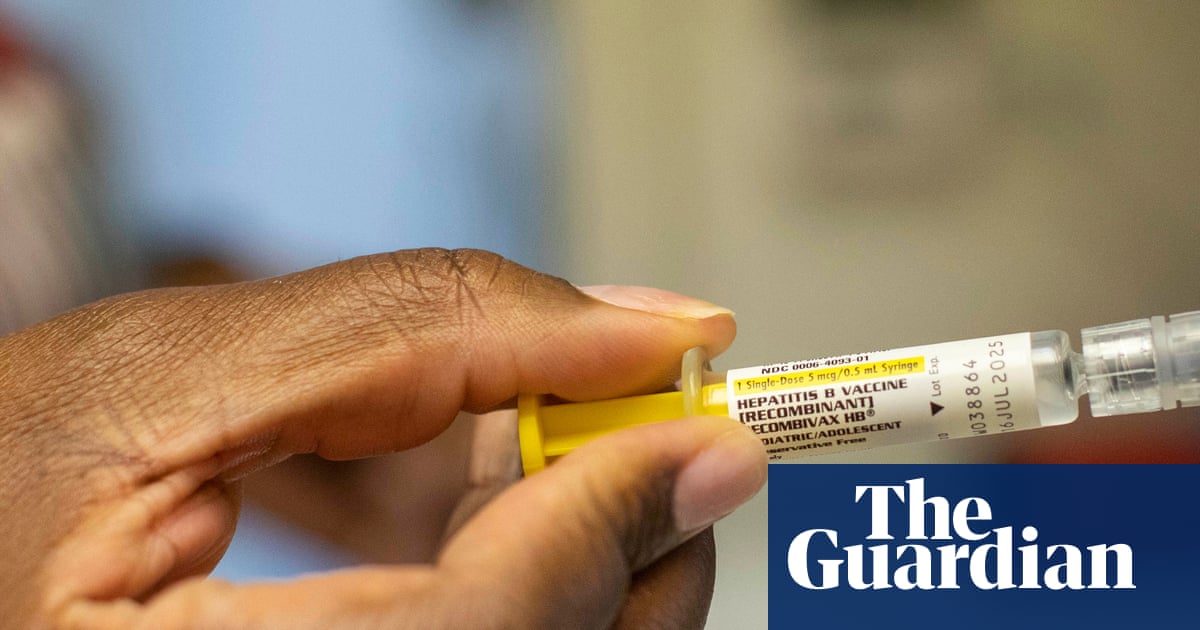
Controversial US study on hepatitis B vaccines in Africa is cancelled
$1.6m project drew outrage over ethical questions about withholding vaccines proven to prevent disease
TL;DR
- The US-funded study on hepatitis B vaccines in Guinea-Bissau has been cancelled.
- The study faced criticism for ethically questionable design, potentially withholding a life-saving vaccine from newborns.
- Africa CDC stated the study was halted because it raised critical ethical questions and the design was a challenge.
- Officials in Guinea-Bissau suggest the trial may still happen, but Africa CDC requires a redesign to address ethical issues.
- Critics likened the study to the Tuskegee experiment and argued the $1.6 million could be used to vaccinate children.
- Robert F. Kennedy Jr., a vaccine skeptic, was involved in the study's funding through the HHS.
- Danish researchers involved in the study have also faced criticism for not publishing prior study results.
- Guinea-Bissau has a high burden of hepatitis B, with a significant percentage of adults and children infected.