Fresh bone analysis makes case for earliest ‘ancestor of humankind’, but doubts remain
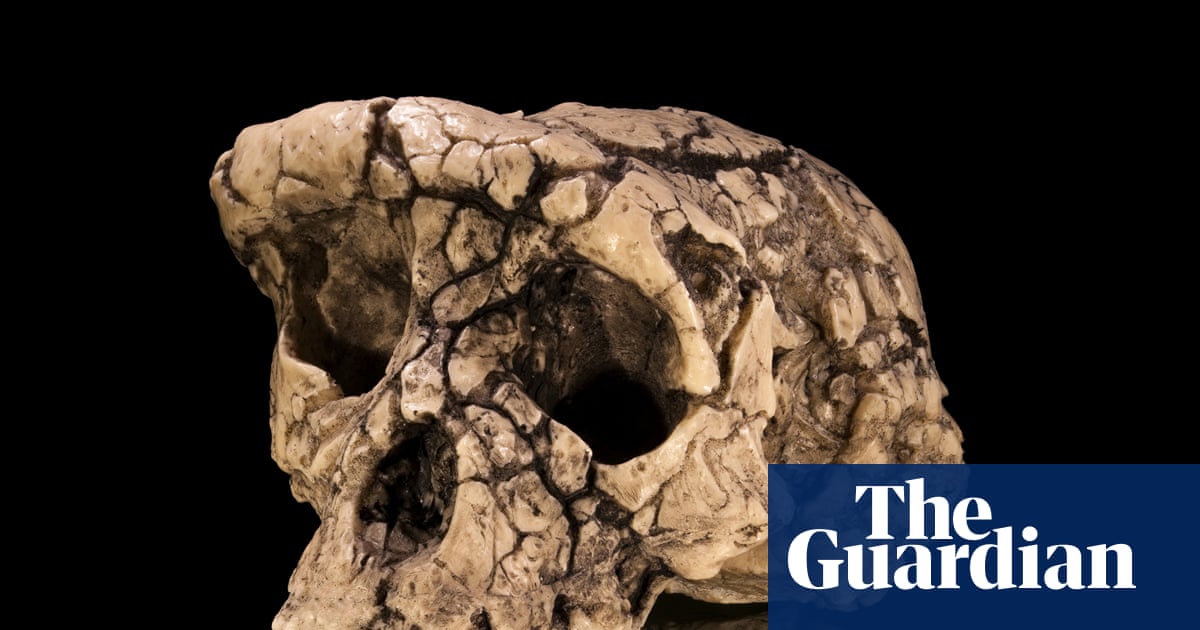
Scientists argue ape-like Sahelanthropus tchadensis that lived in Africa 7m years ago is best contender but more fossils are needed
TL;DR
- New research analyzes bones of Sahelanthropus tchadensis, an ape-like animal from 7 million years ago in Africa.
- Scientists argue that Sahelanthropus tchadensis bones show adaptations for walking upright, making it the oldest known hominin.
- Key features supporting bipedalism include the femoral tubercle on the thigh bone, a natural twist in the thigh bone, and evidence of buttock muscle attachment.
- The findings are part of an ongoing debate since 2001, with some researchers unconvinced and calling for more fossil evidence.
- Skepticism centers on the interpretation of certain bone features and the limited fossil material available.
- More fossils are needed to definitively determine if Sahelanthropus tchadensis was bipedal and a member of the human lineage.