health
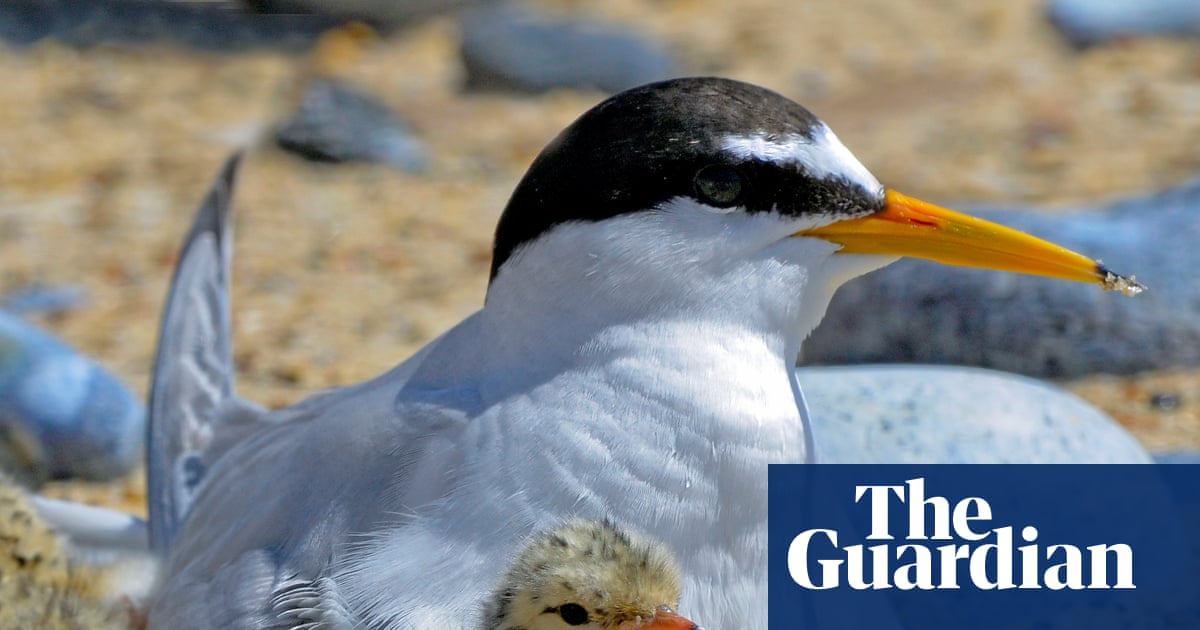
Big gains for little terns: how Lindisfarne reserve is helping a rare bird survive tourism
Seasonal wardens and netted fences are helping protect the rare ground-nesting birds that arrive each spring on the UK’s shores
TL;DR
- Little tern breeding abundance in the UK dropped by 19% between 1986 and 2024, with other tern species also experiencing significant declines.
- Human activity, including increased outdoor recreation and dog walking, is a primary threat to nesting terns, causing disturbance and pushing them into fewer, more vulnerable colonies.
- Lindisfarne reserve uses 3 miles of electrified, perforated netting to protect nesting sites, allowing birds to pass through while deterring predators and humans.
- Seasonal wardens engage with the approximately one million annual visitors, educating them about the sensitivity of the site and the importance of measures like keeping dogs on leads.
- Conservation efforts at Lindisfarne have led to a dramatic increase in fledglings, from 15 in 2020 to 201 in 2025 for little terns.
- Protecting the reserve is viewed not just as a conservation cost but as an investment in the regional economy through tourism.