economy
Too smart to eat? Why octopus farms are such a slippery problem
As a controversial Spanish plan for sustainable meat on an industrial scale is dropped, it has revived the ethical debate over farming these intelligent wild animals
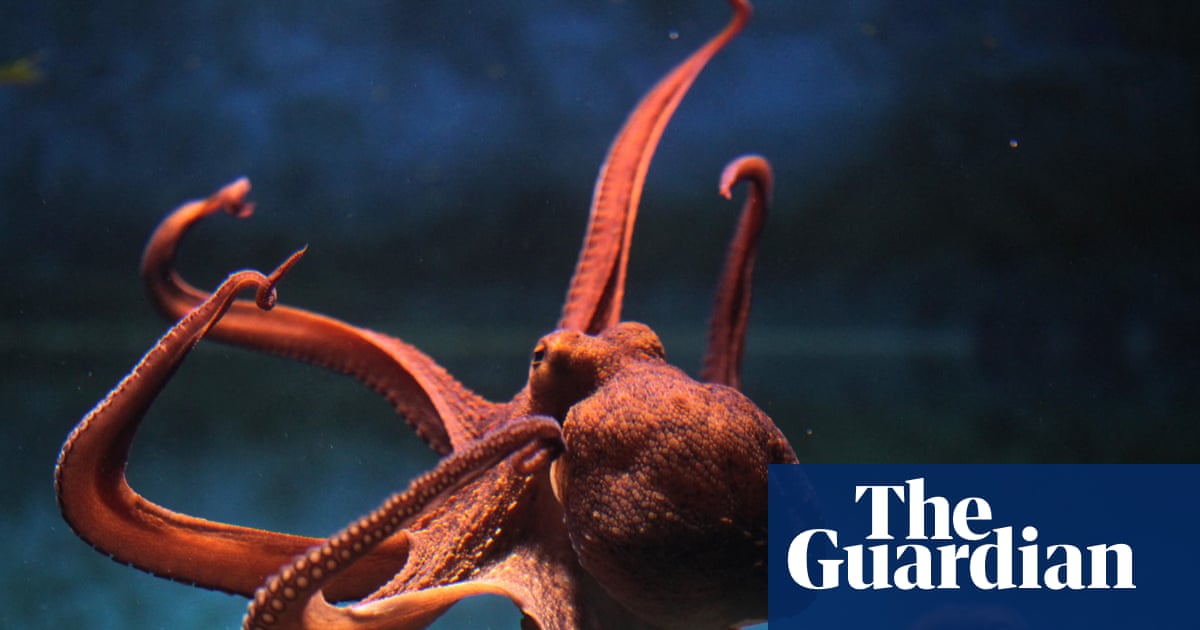
TL;DR
- Nueva Pescanova has abandoned its €65m industrial octopus farm and processing plant project near the Canary Islands.
- The company cited "business and regulatory" reasons for pulling out, following years of controversy and ethical opposition.
- Scientists and activists condemned the farm due to the octopus's perceived intelligence and sentience.
- However, some suggest the farm's unviability, rather than popular protest, was the main reason for its cancellation.
- Challenges in octopus farming include difficulties in raising larvae, delicate hatchlings, and finicky feeding habits.
- The ethical objections focus on the solitary nature and high intelligence of octopuses.
- Despite the challenges, demand for octopus is high, and it's considered a potentially sustainable farmed meat source.
- Globally, around 370,000 tonnes of octopus are caught annually, with increasing consumption in regions like the UK due to warming waters.