health
‘Traceability is vital’: labs test thousands of unregulated substances amid peptide craze
Experts warn consumers of unknown risks as one lab says about a third of samples fail basic quality checks
TL;DR
- The underground market for injectable peptides, claimed to support weight loss and wellness, has rapidly expanded.
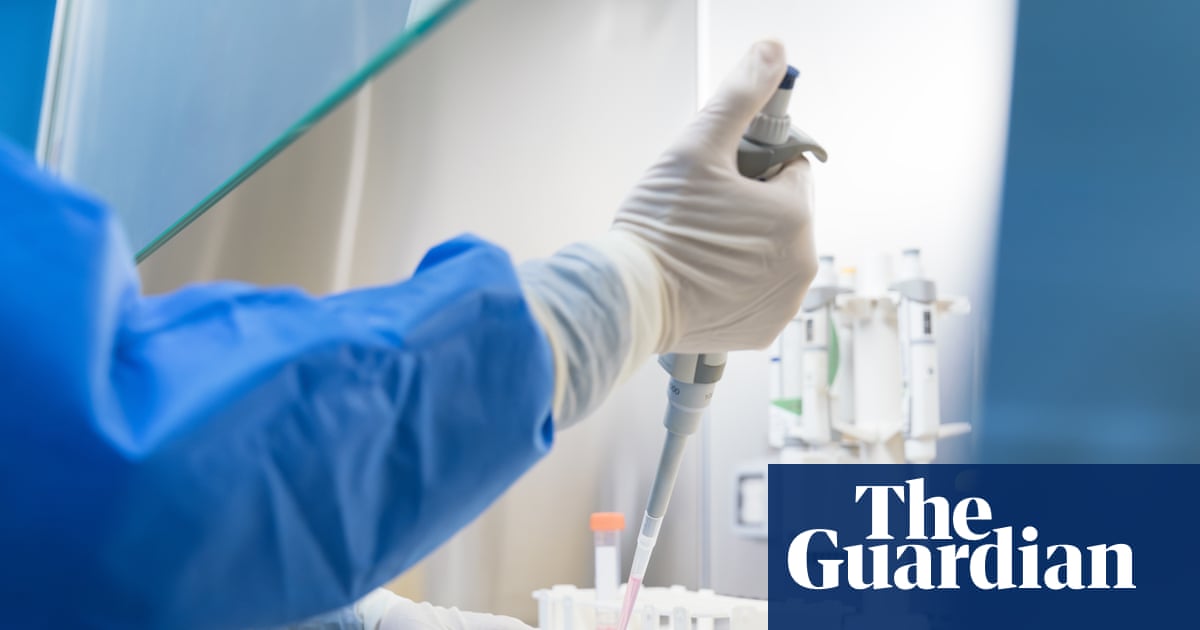
- Peptide testing laboratories are processing significantly more samples, with one lab handling approximately 60,000 a year globally, including around 2,000 from the UK since 2024.
- Many experimental peptides are unapproved by regulators and sold with labels stating 'for research purposes only,' despite being injected by consumers.
- Approximately one-third of analyzed peptide products fail basic quality checks, including identity, purity (below 98%), and quantity.
- These substances can be bootleg versions of approved drugs like semaglutide and tirzepatide, sold online for a fraction of the price.
- A legal gray area with little regulatory oversight allows vendors to exploit the sale of these compounds.
- Experts warn of unknown long-term health risks, such as potential increased cancer risk or organ damage, due to the lack of clinical data.
- The UK is a significant market for peptide testing, ranking third globally alongside Canada.
- High profit margins are attracting potentially "nefarious actors" into the supply chain, with large markups from original purchase prices.
- Social media platforms like TikTok feature a significant amount of content related to peptides, with UK creators making up 16% of videos.