Sea change: the drive to restore millions of oysters on the Norfolk coast
The first ever mass deployment of mother reef bricks aims to rebuild habitats – and could reshape the North Sea
TL;DR
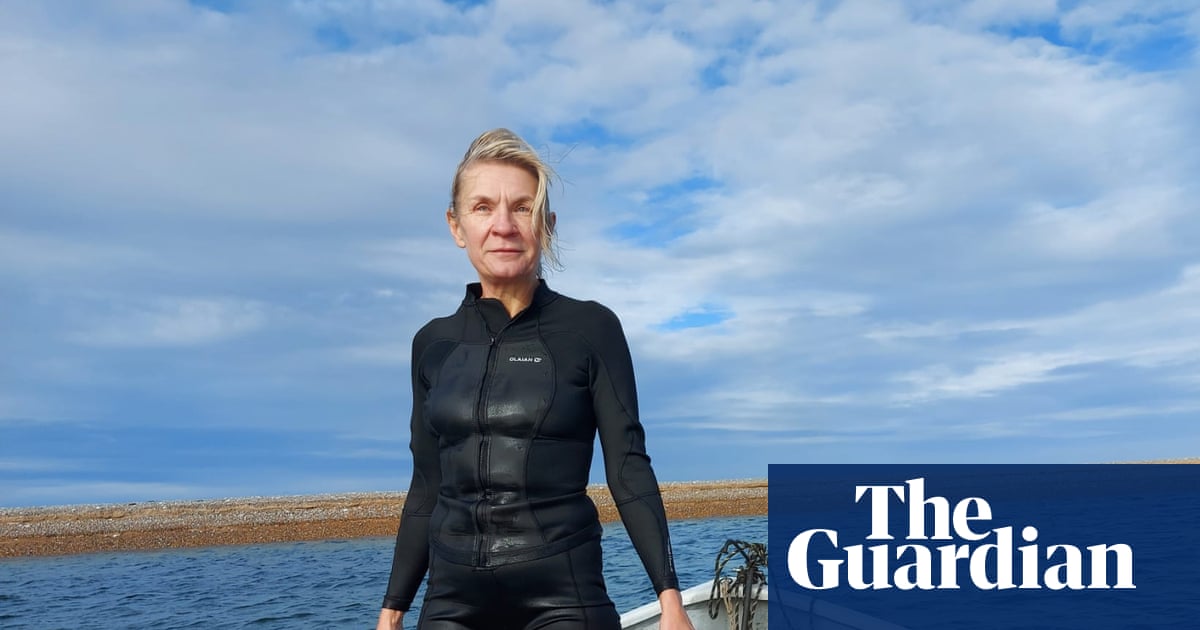
- Allie Wharf, a former war correspondent, is now leading the Luna Oyster Project to create Europe's largest natural oyster reef.
- The project uses 'mother reef bricks' to restore 4 million oysters to the North Sea, rebuilding habitats destroyed by human impact.
- Oyster reefs historically filtered vast amounts of water, acted as natural wave breaks, and supported rich biodiversity.
- The restoration process is costly and complex, involving extensive licensing and meticulous care for the oysters.
- The project is partly funded by Purina, which benefits from a more sustainable North Sea fish supply due to the improved marine environment.
- Oysters are described as sensitive creatures that react to environmental changes like sound and pressure.