Bourbon barrels enjoy second and third lives around the world, where they're used to age other spirits
Updated on: December 28, 2025 / 7:00 PM EST / CBS News
TL;DR
- Wooden barrels, first used by Celts and Romans, are still vital for aging wine and whiskey, especially bourbon.
- Bourbon must be aged in new charred oak barrels, a regulation established in the 1930s.
- The process of making barrels involves cutting oak logs into staves, seasoning them, and assembling them without nails or glue, followed by toasting and charring the interior.
- The charring process, likened to an 'alligator char,' teases out flavors like caramel and vanilla from the wood.
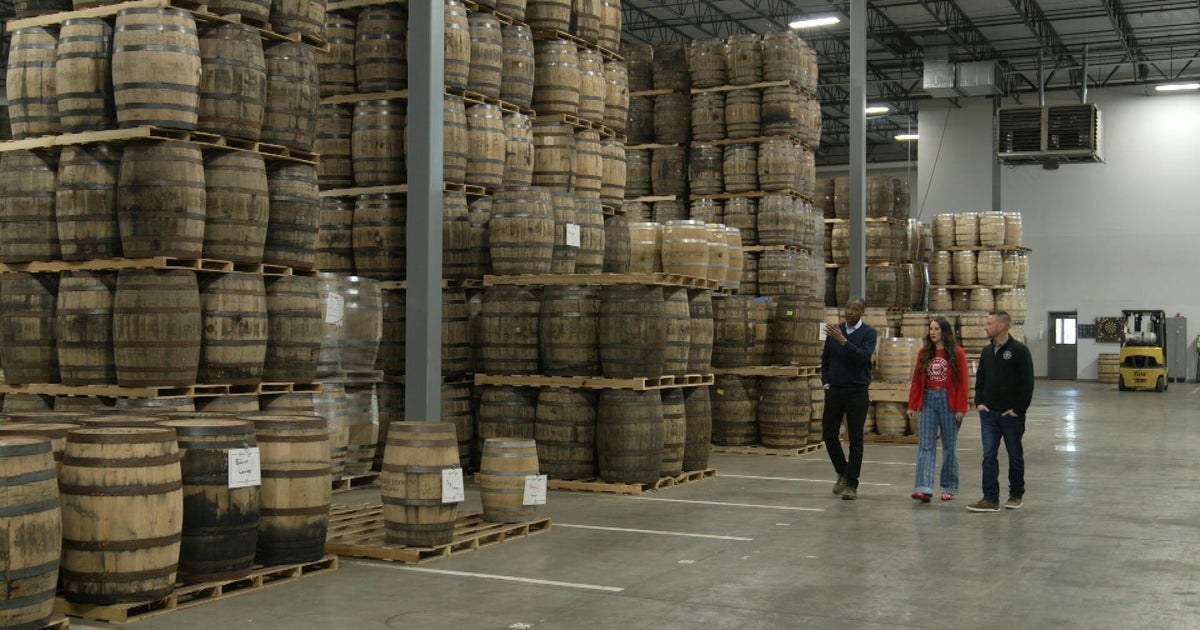
- Temperature fluctuations in aging warehouses (rickhouses) help the bourbon interact with the wood, contributing to its flavor development.
- The bourbon barrel industry is also an investment area, with investors buying newly filled barrels and selling them at a higher price after aging.
- Used bourbon barrels are in high demand globally for aging other spirits like scotch, tequila, rum, and beer, and are exported in large quantities.
- New finishing techniques involve aging American whiskey in barrels that previously held spirits from other countries, such as Indian whiskey.
- Special barrels made from wood sourced from the Bercé forest, intended for the restoration of Notre Dame, were used to age a limited edition bourbon.
- Bottles of this special bourbon, aged in the Notre Dame restoration wood, sell for significantly higher prices on the secondary market.