tech
Deepfakes Are Coming for Your Bank Account
Donald Trump is on TikTok doing his morning routine. “Get ready with me for a big day 💄🇺🇸,” reads the caption, as the president holds a makeup brush to his cheek. The scene is a still, ostensibly a screenshot of a TikTok clip. Like so much other AI-generated slop coursing through the internet, the image is fake and ridiculous. It also looks unnervingly real: There are no hands with six fingers, physics-defying angles, or other flagrant signs of AI-generated imagery. At quick glance, it really looks like the president is putting on bronzer.
TL;DR
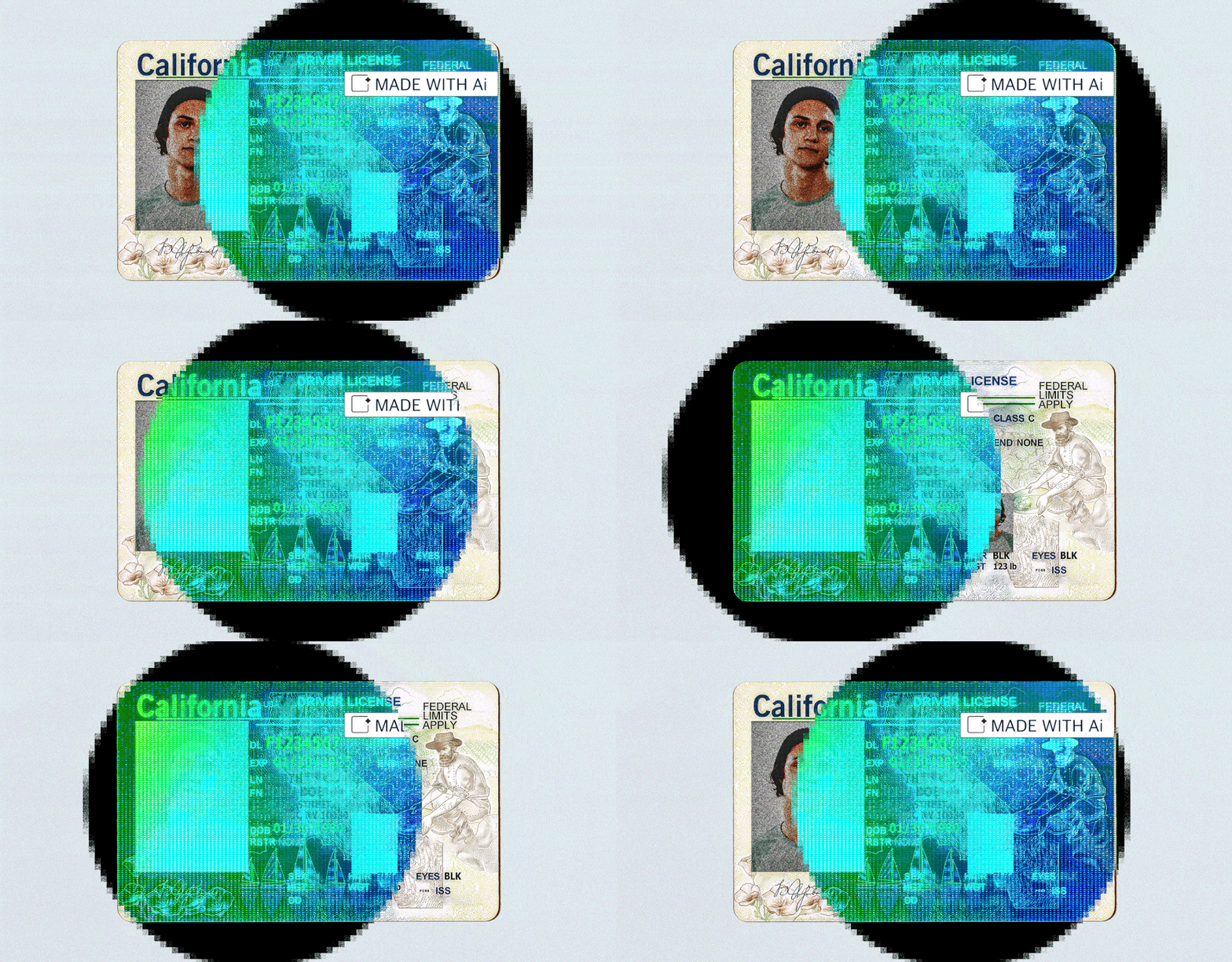
- ChatGPT Images 2.0 can create photorealistic fake images, including those with legible text, making it a powerful tool for fraud.
- The model is particularly adept at generating fake screenshots of financial alerts, receipts, and social media posts, useful for phishing scams.
- While OpenAI has usage policies against fraud, the safety protections on the new model appear to be insufficient.
- The ability to create convincing fake documents and screenshots at low cost and high speed is a growing concern for fraud prevention.
- The focus on extreme deepfakes overshadows the more sinister threat of mundane, micro-targeted scams targeting individuals.