tech
A Daring New Take on Shakespeare’s Most Famous Soliloquy
The film adaptation of Hamnet gives new meaning to “To be, or not to be.”
TL;DR
- The novel 'Hamnet' by Maggie O'Farrell minimized direct references to William Shakespeare's work.
- The film adaptation of 'Hamnet,' co-written by O'Farrell and Chloé Zhao, integrates 'To be, or not to be' twice.
- The soliloquy is used to depict the characters' grief and their different ways of mourning after their son's death.
- Zhao and actor Paul Mescal discussed the soliloquy's potential to be a distraction versus its necessity for character development.
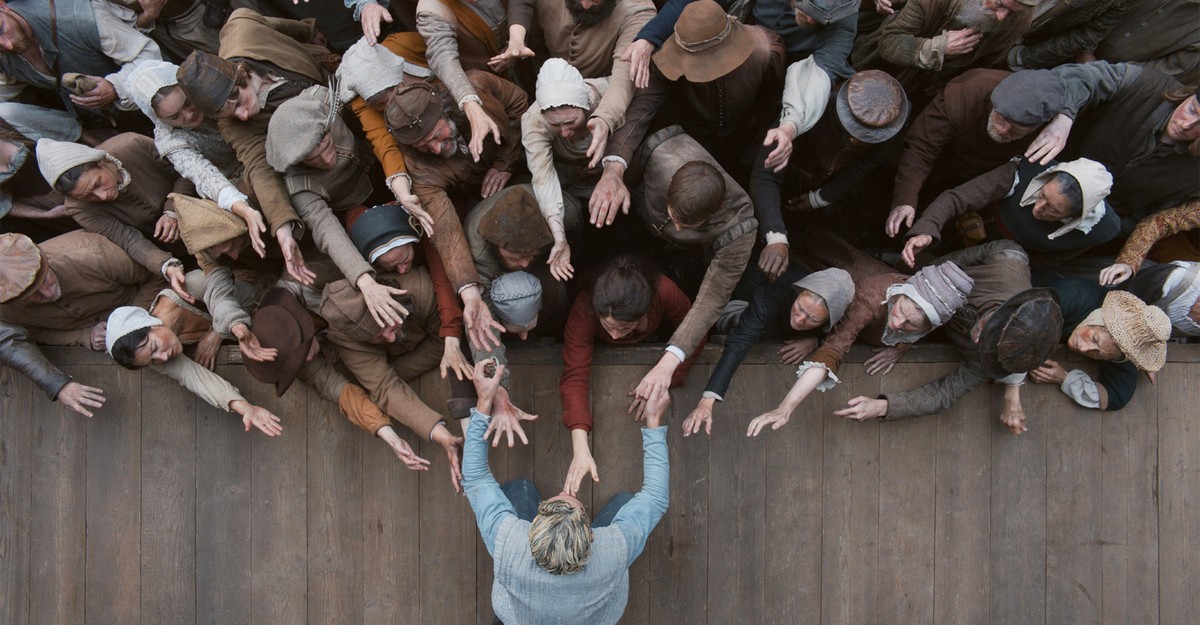
- The film presents the soliloquy first as Will's private struggle and then as Agnes's public observation, bridging their grief.
- Previous film adaptations of 'Hamlet' have interpreted the soliloquy in various ways, focusing on the hero's mind or the stakes of the plot.
- The article suggests 'Hamnet's' approach updates the soliloquy for the social media age, where private thoughts are shared publicly.
- The film proposes that art, particularly 'Hamnet,' can alchemize grief and that such expressions stem from bodily tension rather than purely intellectual thought.