health
From syringes to stents: Iran war exposes NHS dependency on petrochemicals
NHS chiefs fear rising costs and healthcare shortages due to the shipping standstill in the Gulf
TL;DR
- The war in Iran and resulting Gulf shipping standstill threaten NHS supply chains for medicines and medical products reliant on petrochemicals.
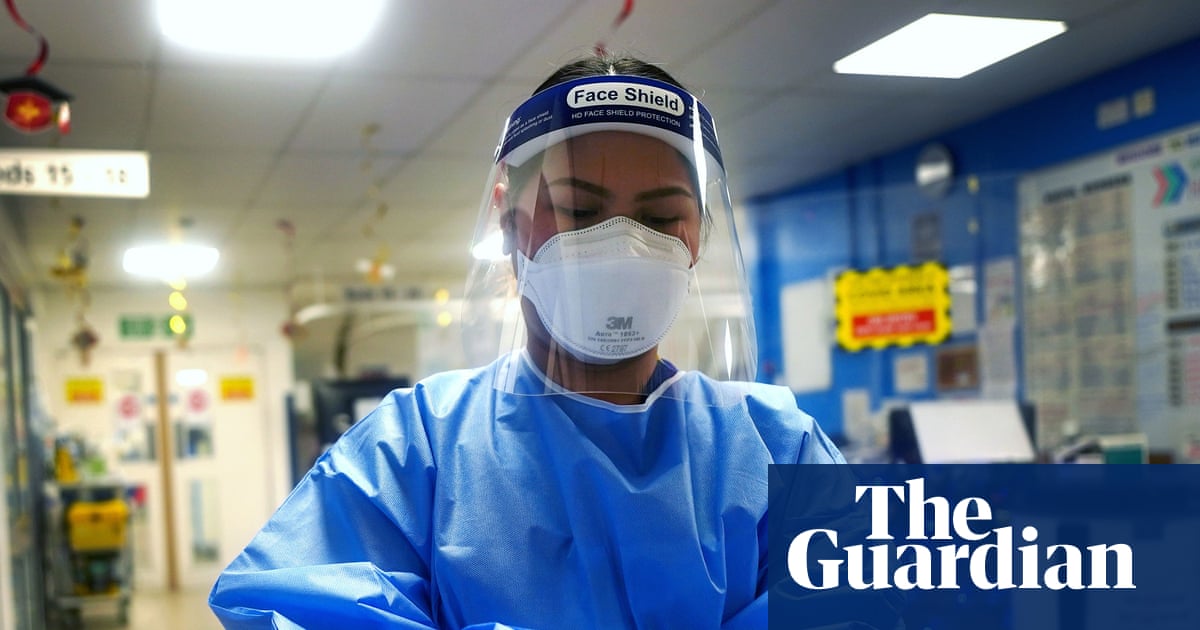
- Modern healthcare depends on petrochemicals for active pharmaceutical ingredients and sterile single-use items like PPE, catheters, and diagnostic casings.
- The NHS, a major global healthcare buyer, faces potential shortages and cost increases for its £8bn annual equipment and consumables bill and £21.6bn medicine bill.
- Existing supply chain issues from Brexit and Covid-19 are expected to worsen due to the conflict.
- NHS England is increasing purchases to build buffer stocks and is monitoring supplier continuity plans.
- Disruption to Middle East airports and airlines impacts air freight of medicines from India, a key hub.
- The thin supply chains for many drugs, especially cancer drugs, often rely on single suppliers and complex logistics.
- The cost of common medical items like synthetic rubber gloves has already increased significantly, with shortages anticipated by late May.
- Surging naphtha prices, a byproduct of crude oil used in petrochemicals, are driving up costs for many healthcare products.
- Companies supplying the NHS, including glove and PPE manufacturers, are implementing significant price increases.
- Shortages of materials like polyester fibre and PET resin used in surgical items and pharmaceutical bottles are also anticipated.
- Experts warn of potential price gouging and manufacturers prioritizing higher-paying countries, potentially leading to shortages in the UK.
- The NHS may need to pay higher prices, and buffer stocks for medicines (eight weeks) and equipment are being assessed.
- The "just in time" supply chain model is being questioned, with calls to bring manufacturing closer to home.
- The Department of Health and Social Care states robust measures are in place, including buffer stocks and alternative procurement, and that most medicines are in good supply.