economy
Census shows population growth slowing in U.S. metro areas. Here's where the steepest declines are.
Updated on: March 26, 2026 / 8:25 AM EDT / CBS/AP
TL;DR
- U.S. metro area population growth slowed nationwide in 2025, with a primary cause being declining immigration.
- Metropolitan areas along the U.S.-Mexico border, including Laredo, Yuma, and El Centro, experienced the sharpest declines in population growth rates.
- Hurricanes Helene and Milton in late 2024 contributed to population loss in some Gulf Coast counties, particularly in Florida.
- Immigration is a critical factor for population growth in large metro areas, especially those experiencing domestic out-migration.
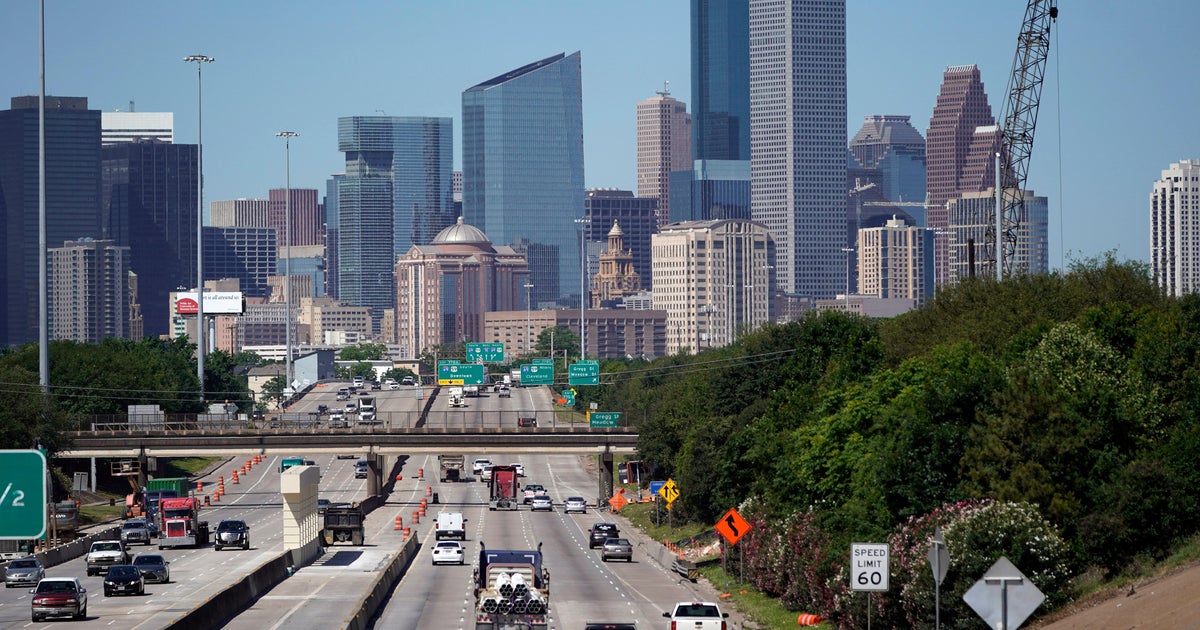
- Despite overall slowdowns, some metro areas like Houston, Dallas-Fort Worth, and Atlanta saw increased populations, and midsize Florida and South Carolina metros like Ocala and Myrtle Beach reported high growth rates.
- Far-out suburbs and exurbs, driven by remote work and rising housing costs, are increasingly attractive destinations for domestic movers.
- New York's metro area led the nation in natural increase (births outpacing deaths), offsetting losses from migration.