politics
Fauci and the art of turning accountability into the villain
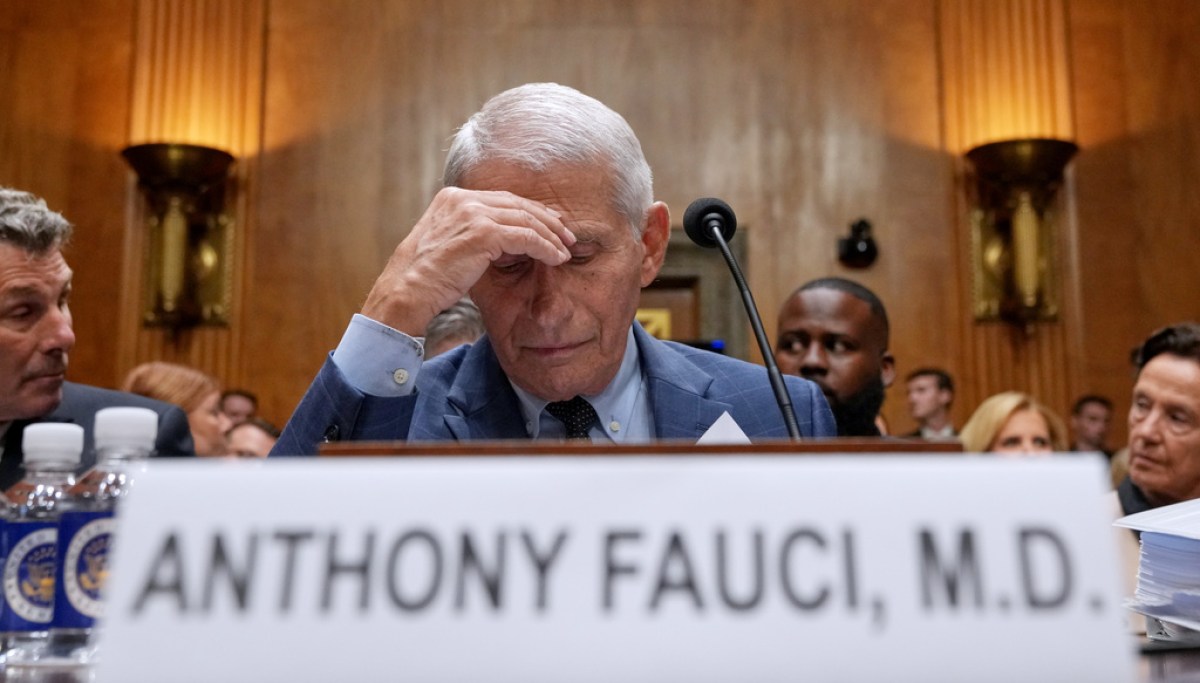
After Dr. Anthony Fauci invoked the Fifth Amendment before the Senate Homeland Security Committee last week, Sen. Andy Kim (D-NJ) warned that the hearing could have a “chilling effect” on scientists considering public service. Young researchers, he argued, would think twice before following in Fauci’s footsteps after watching one of the country’s best-known public health officials endure years of investigations and public attacks.
TL;DR
- Invoking the Fifth Amendment and subsequent warnings about a "chilling effect" on scientists can shift focus from accountability to the act of questioning itself.
- Individuals and institutions sometimes defend themselves from criticism by questioning the fairness or motives of the inquiry, rather than addressing the core issue.
- Good therapy and sound institutions separate criticism of decisions from personal attacks and view accountability as essential for growth and trust.
- Concerns about discouraging public service due to scrutiny do not negate the need to evaluate past decisions.
- Honest review and accountability, like in medicine or aviation, strengthen performance and build confidence, rather than weakening trust.
- Public officials, especially during emergencies, must be prepared to explain and justify their decisions, as this is evidence of democracy working, not failing.
- Public service does not grant immunity from difficult questions; trust is built by showing decisions can withstand scrutiny, not by portraying scrutiny as dangerous.
- The habit of answering difficult questions by warning about the consequences of asking them is a subtle but significant shift that undermines public trust.