tech
Majority of US’s new AI datacenters to be built on drought-hit land
Guardian analysis finds facilities to be built in some of the driest areas as outcry grows over water needed to power AI
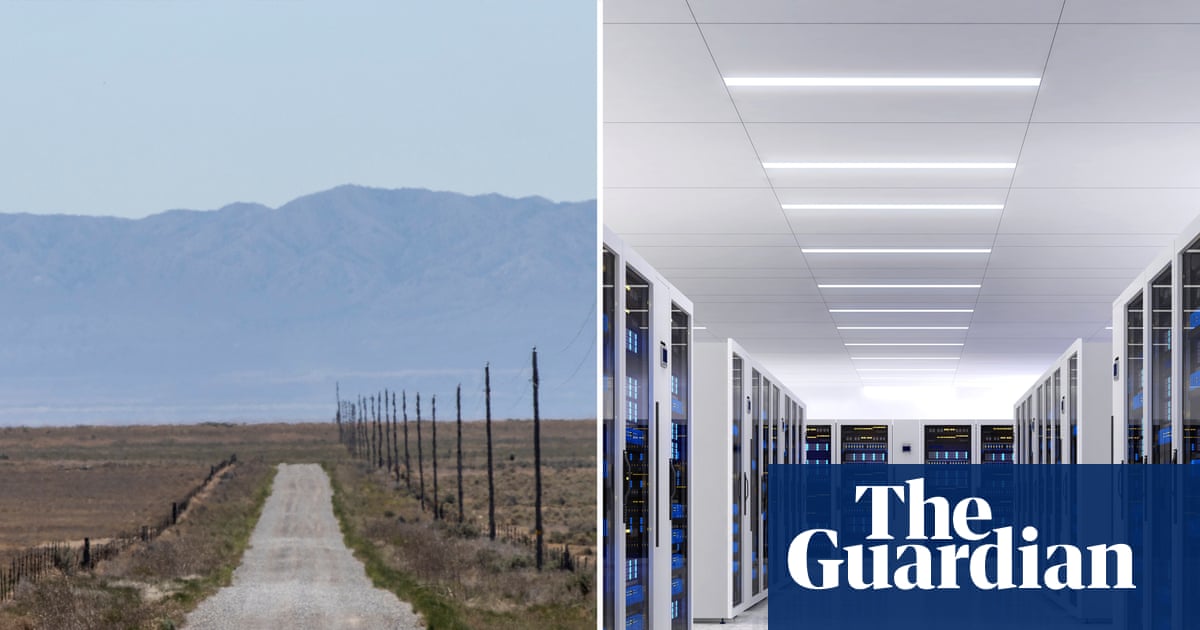
TL;DR
- Approximately two-thirds of planned US datacenters are being built in drought-stricken locations.
- The AI industry's water and energy demands are increasing, straining resources in dry regions.
- Large datacenters can require up to 5 million gallons of water daily for cooling.
- Total water demand for datacenters is projected to reach 73 billion gallons annually by 2028.
- Companies like Google, Meta, Microsoft, and Amazon are investing heavily in new datacenters, often favoring dry areas for cost benefits.
- Specific examples include planned datacenters in Utah, Washington, and Texas, all facing drought conditions.
- Concerns over water use have led to local opposition and legislative proposals for datacenter restrictions in several states.
- The industry argues its water use is a fraction of agriculture's and is implementing efficiency measures like closed-loop cooling.
- However, closed-loop cooling requires more energy, often from fossil fuels that also consume significant water.
- The overall water impact of AI extends beyond datacenters to power generation and semiconductor fabrication.
- Public opposition to datacenters is significant, with many Americans unwilling to live near them.