tech
Writing is exactly like love
Now in residence at the Madrid Prado, the author talks about its dark, inspirational Goyas, the clandestine nature of her writing – and why she finally wrote about her jailed then posthumously exonerated father
TL;DR
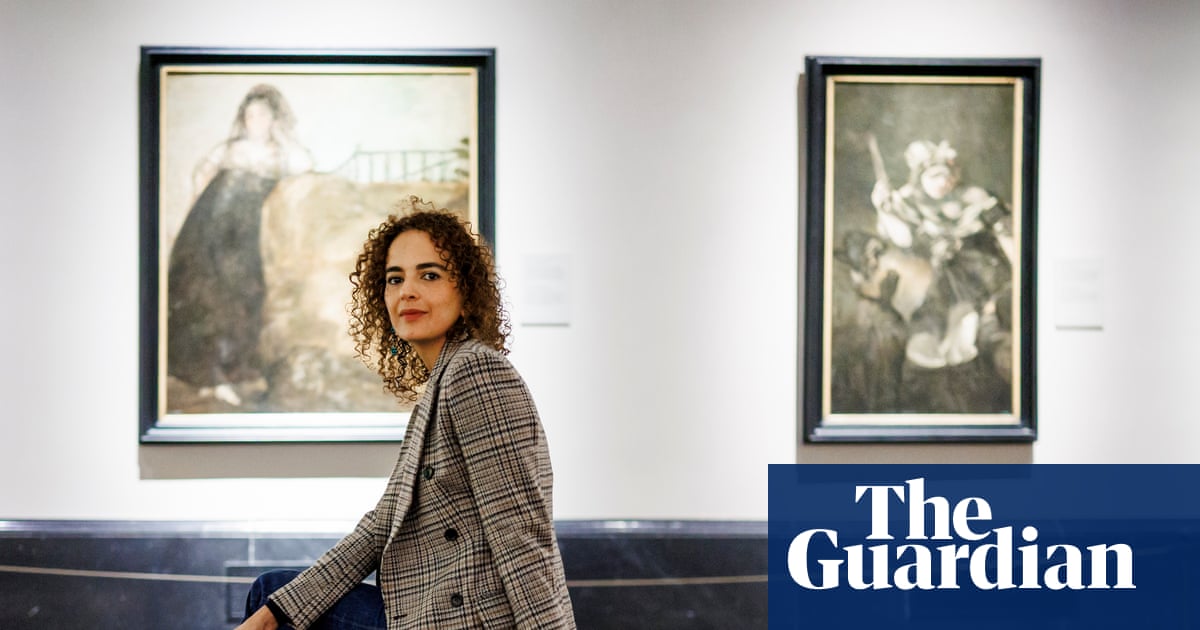
- Leïla Slimani is an artist-in-residence at the Museo del Prado in Madrid, finding inspiration in Goya's Black Paintings.
- She connects Goya's bleak outlook on humanity to her own themes of societal disappointment, contradiction, and human frailty.
- Slimani's writing often explores transgression, class, race, and maternal anxiety, as seen in her novels 'Adèle' and 'Lullaby.'
- Her work is influenced by personal experiences, including her father's imprisonment and posthumous exoneration, and her family history in 'The Country of Others' trilogy.
- Slimani discusses the challenges of emigration, the tension between holding multiple identities, and her views on freedom, which she sees as always partial.
- She is critical of what she calls a 'new kind of racism' focused on 'contamination' and the rise of right-wing populism.
- Slimani believes literature is a powerful weapon against dogmatism and a means to explore nuance and give justice to misunderstood individuals.
- She emphasizes the clandestine and intimate nature of writing, comparing it to love and valuing private space for creation.