tech
Richard Wagner in the Present Tense
A bold restaging of Tristan und Isolde arrives at a moment of intense concern about the cultural inheritance of Western civilization.
TL;DR
- Richard Wagner, an anti-Semite and egoist, had his music and writings embraced by Adolf Hitler and the Third Reich.
- Wagner's operas remain core to the classical repertoire, despite his problematic views, except informally in Israel.
- Opera directors often face the 'Wagner Problem,' balancing fidelity to the music with modern staging interpretations.
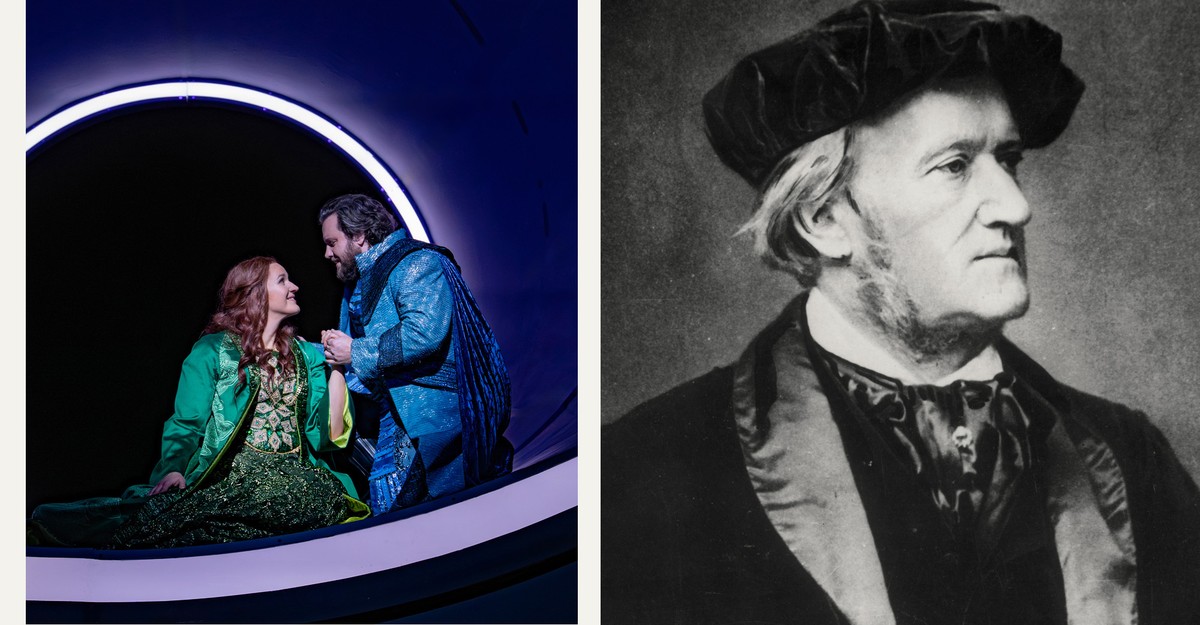
- A new production of 'Tristan und Isolde' at the Metropolitan Opera, directed by Yuval Sharon, is being seen as a response to current concerns about 'Western civilization'.
- Wagner's 'Tristan und Isolde' is noted for its musical innovations, particularly its structure of continuous suspension, which influenced many subsequent artists.
- Sharon's directorial approach treats opera as a living work, updating older pieces to align with modern sensibilities and often staging them in unconventional locations.
- The production attempts to ground the opera in themes of death and rebirth, influenced by Schopenhauer and Buddhist ideas that Wagner himself explored.
- The opera's demanding vocal and musical requirements are compared to peak athletic performance, highlighting the transcendent potential of art.
- The article contrasts the Met's approach with the Kennedy Center's programming, which has been reduced due to political interference.
- Staging Wagner's Ring cycle, Sharon's next task, presents further ideological challenges due to its themes of class conflict and potential racist or anti-Semitic interpretations.