health
Say no to pesticides, mix up your lawn
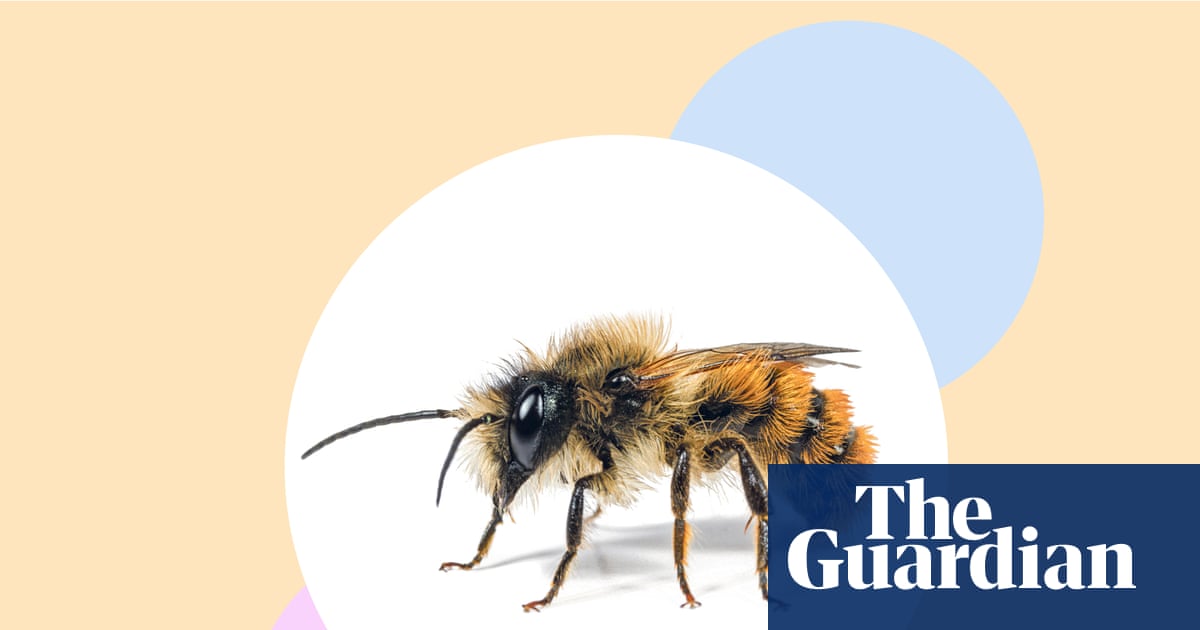
Like so many flying insects, these essential pollinators are suffering because of habitat loss and the overuse of chemicals. Here’s how to give them a healthier, happier home
TL;DR
- The UK has over 240 species of solitary bees, which are vital and efficient pollinators.
- Solitary bees are experiencing significant population declines, mirroring broader insect loss.
- Citizen science initiatives like the Bugs Matter survey help collect data on insect populations.
- Creating nesting habitats, such as leaving bare ground for mining bees or providing bee hotels for cavity-nesting species, is essential.
- A diverse lawn with both short and long grass provides nesting and feeding opportunities.
- Reducing or eliminating pesticide use is critical for the survival of solitary bees and other wildlife.
- Planting native flowers and providing food sources throughout the season supports bee populations.
- Participating in monitoring schemes like Pollinator Monitoring Scheme (PoMS) surveys aids in tracking pollinator health.