tech
'Rude, heavy-drinking and a committed communist': the Frida Kahlo you can’t buy in the gift shop
The artist’s likeness has become a symbol of resistance and heroism – but the truth is more complicated. As a major exhibition opens in London, has brand Frida obscured the real Kahlo?
TL;DR
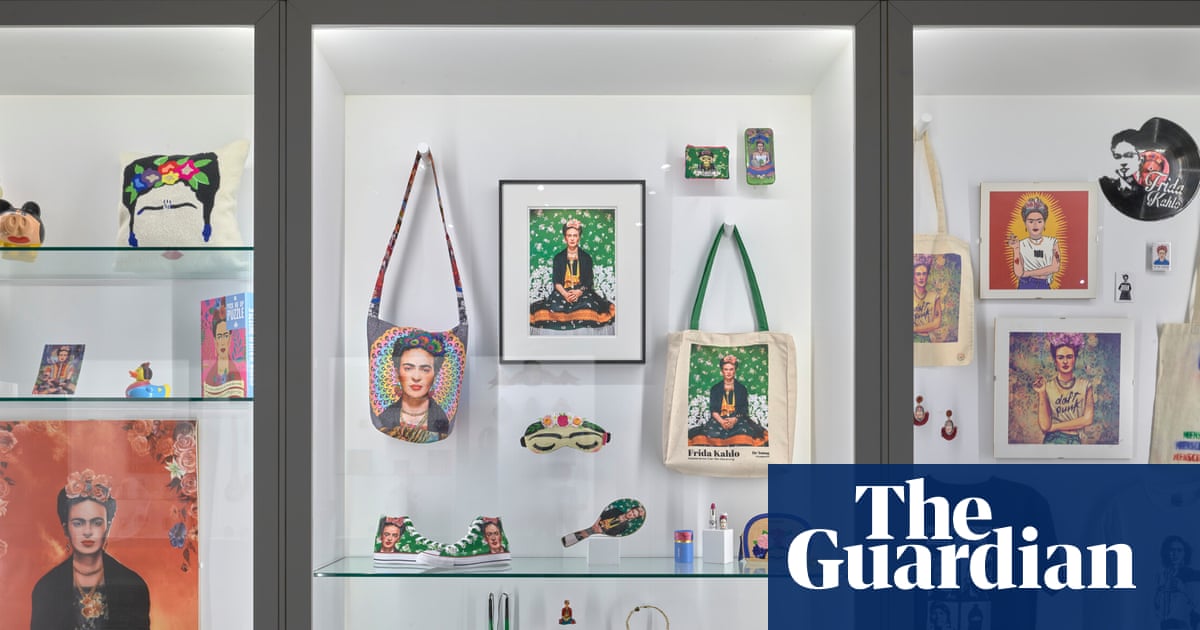
- Frida Kahlo's likeness is ubiquitous on consumer goods, often reduced to a recognizable shorthand of her appearance.
- Children's literature and popular art books tend to sanitize her biography, focusing on resilience over her complex personal life.
- The Tate Modern exhibition "Frida: The Making of an Icon" displays her work alongside artists she inspired, examining the phenomenon of 'Fridamania'.
- Commercialization of her image is seen by some as a form of democratic ownership, allowing people to 'make Frida their own'.
- Contradictions exist, such as the Frida Barbie, which presented a whitewashed, non-disabled version of the artist.
- Kahlo's art openly portrayed pain, heartbreak, and illness, resonating with contemporary themes of self-revelation.
- Her personal life included complexities like self-doubt, disappointment, and treating loved ones badly, contrasting with her secular saint status.
- Her relationship with photography, particularly by her father and lovers like Tina Modotti and Nickolas Muray, was significant.
- Posthumous fame has largely derived from color photographs, which are often more straightforwardly beautiful than her complex self-portraits.
- The 1982 exhibition at the Whitechapel Gallery and Hayden Herrera's biography significantly boosted her international recognition and 'Fridamania'.