health
‘Absolutely beautiful’ but no shops for miles: the Cotswolds’ rural food deserts
Deep-rooted problems of food inequality are hidden behind area’s affluence and beauty
TL;DR
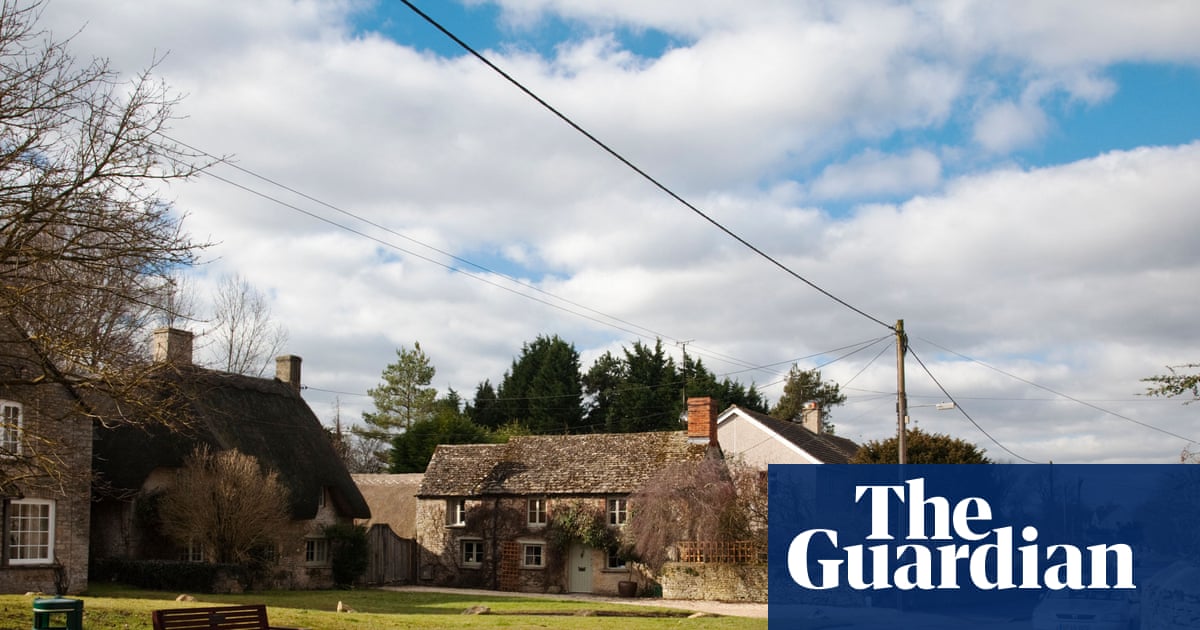
- The Cotswolds village of Kempsford is an example of a rural food desert, lacking local food shops despite its affluence.
- Food is often cheaper and more accessible in deprived urban areas than in affluent rural locations like the Cotswolds.
- Lack of a car is a major risk factor for food insecurity in rural areas, with long travel times and limited public transport to reach affordable supermarkets.
- The cost of basic food items can be significantly higher in local convenience stores compared to distant supermarkets, creating a 'rural premium'.
- Food banks in the area are increasingly delivering food parcels because clients cannot easily reach their centers.
- Factors contributing to rural food deserts include the rise of supermarkets, closure of rural shops, car dependency, and collapse of public transport.
- The economic model of food retail makes it unlikely for the free market to solve food inequality in these areas.
- The affluent image of the Cotswolds can hinder policy-makers from recognizing and addressing pressing social needs like food access.