health
A prickle of hedgehogs and an armada of newts: wildlife settles in at London’s new Queen Elizabeth garden
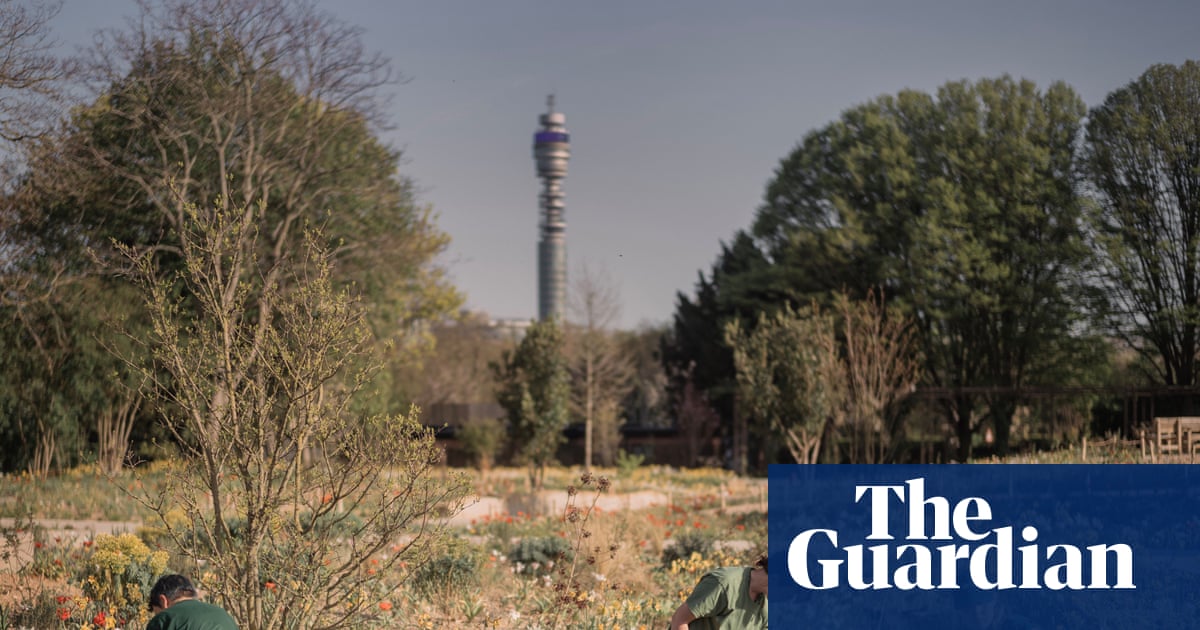
A former horticultural nursery in Regent’s Park has been transformed into a diverse mix of habitats, with a wide range of species already spotted ahead of its opening to the public on April 27
TL;DR
- The Queen Elizabeth II garden in Regent's Park has transformed an 8,000 sq metre brownfield site into a biodiverse habitat.
- The project replaced glasshouses and concrete with over 40 new trees, wildflower meadows, climate-resilient plants, and a native hedgerow.
- A new ornamental pond provides aquatic habitat, and a former water storage tower has been adapted for swift nesting and bat roosting.
- Wildlife such as hairy-footed flower bees, geese, dragonflies, grey wagtails, hedgehogs, newts, butterflies, and foxes have already been observed.
- The garden design incorporates loose gravel surfaces to protect existing wildlife habitats, including rare spiders and insects.
- Climate-resilient trees and elms resistant to Dutch elm disease have been planted to support native species and insects.
- The Royal Parks actively works on increasing biodiversity across its sites, utilizing volunteers for projects like planting blackthorn saplings for brown hairstreak butterflies and sphagnum moss in Richmond Park.
- The garden aims to be a beautiful public space that invites visitors to observe and engage with diverse wildlife habitats.