culture
'We feel angry
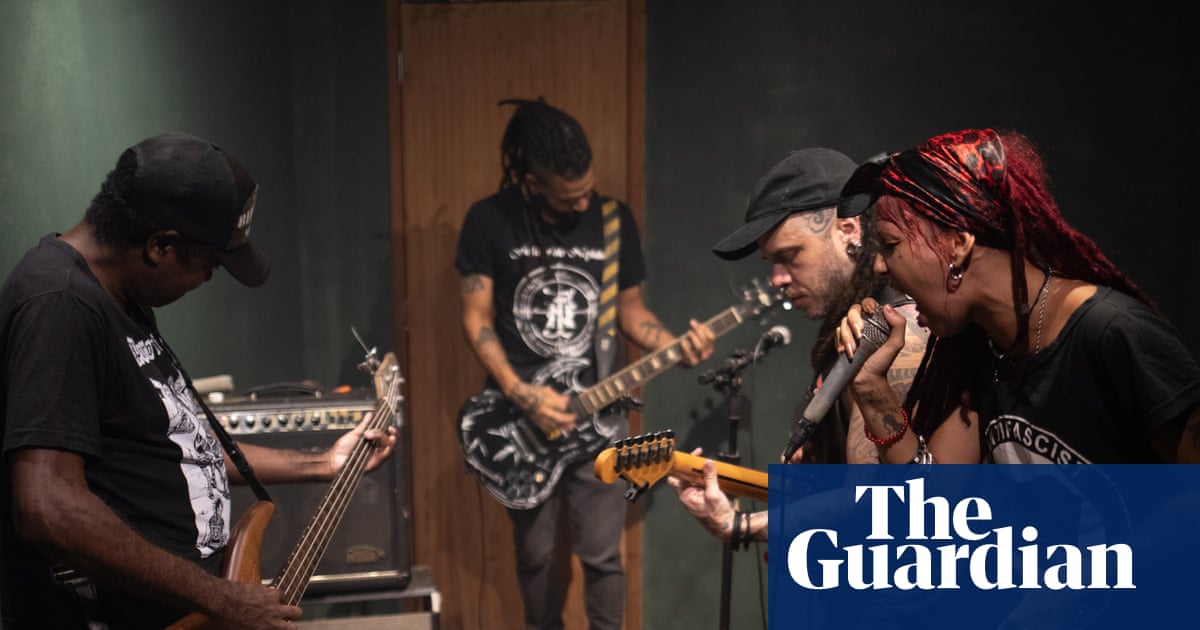
Thriving punk culture seen as response to frustrations at unemployment, urban violence, police brutality and deprivation
TL;DR
- Punk culture, originating in the UK, has become a global phenomenon, especially in the "global south," offering a response to local issues.
- The DIY (Do It Yourself) culture of punk allows it to adapt to various local musical traditions and contexts.
- In Brazil, punk music serves as a voice against urban violence, police brutality, poverty, and discrimination, particularly in favelas.
- Brazilian punk bands like Repressão Social use their music to express anger and frustration towards social injustices, drawing parallels to historical resistance movements.
- The global expansion of punk is attributed to its ability to capture feelings of alienation and provide a means of pushing back against oppressive social, economic, and political forces.
- The resurgence of punk in Brazil is linked to ongoing issues like police militarization, gender-based violence, corruption, racism, inequality, and the rise of authoritarian politics.
- The movement has also seen a rise in political expression, with some punks creating anti-fascist and anti-establishment art and music.